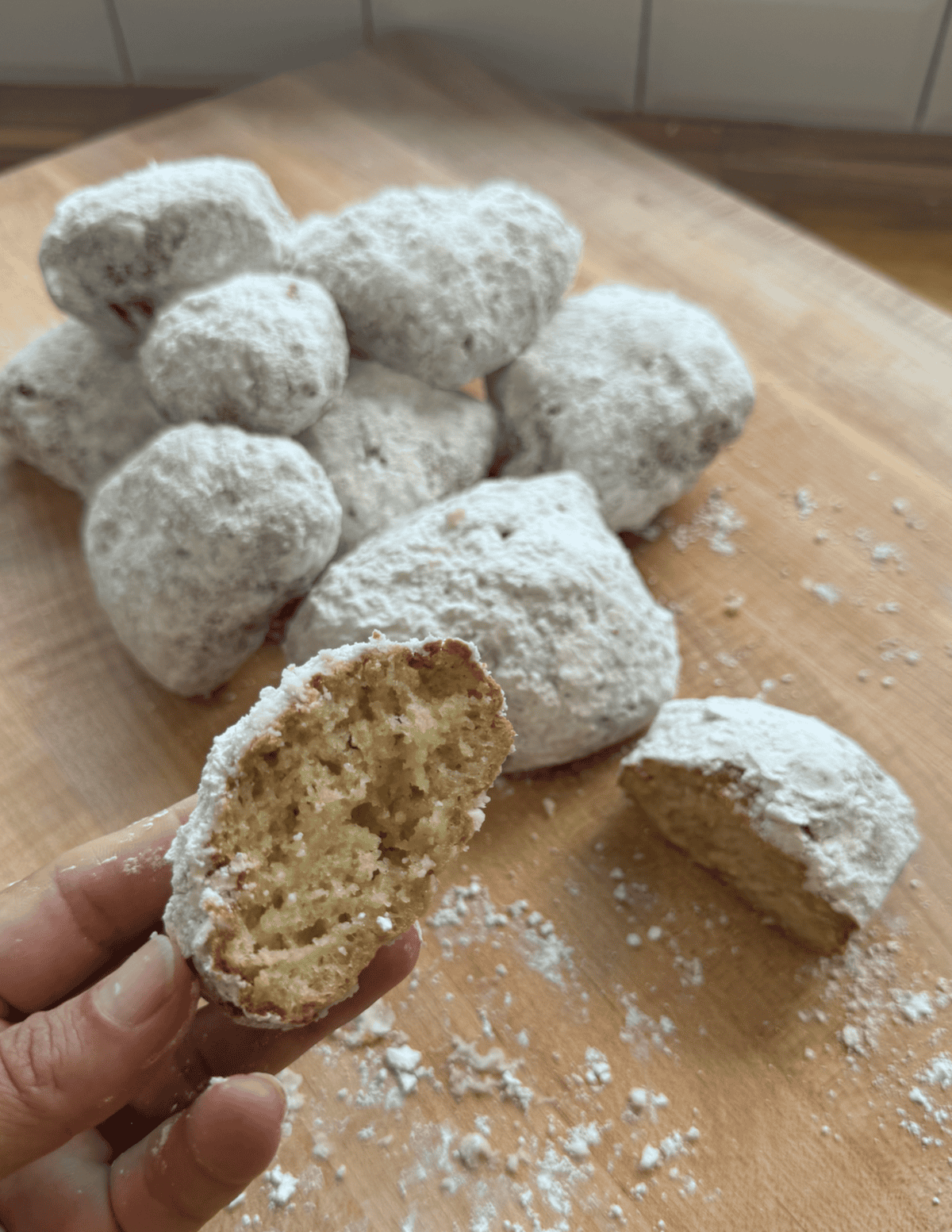
These gluten free beignets are soft, fluffy, and pillowy on the inside with that light crisp outside—exactly what you expect from a classic New Orleans-style beignet, just without the gluten. If you’ve tried gluten-free fried dough before and ended up with something dense or greasy, this recipe fixes that with the right structure and technique.
They fry up beautifully, puff like they should, and get finished with that iconic dusting of powdered sugar. If you’ve already made my gluten free donut dough or cinnamon rolls, this uses a similar dough base but gives you that quick, fried payoff instead. These are the kind of treats you make once… and then start craving regularly.
Why You’ll Love Gluten Free Beignets
- Light, airy, and fluffy (not dense or gummy)
- Authentic beignet texture with a slight crisp outside
- Gluten free but actually works (no collapsing or crumbling)
- Made with simple, clean ingredients
- Perfect for weekend treats or special mornings
- Pairs perfectly with coffee or hot chocolate
Ingredients Overview
Full measurements are listed in the recipe card below.
Ingredients for Beignets
1. Bloomed Yeast
By combining the yeast, warm milk (or water if dairy-free) and honey together and allowing it time to proof in a warm, draft free area, a frothy “bloomed” yeast emerges which reassures you that your yeast is active and will help your dough rise beautifully. I recommend using a countertop proofing oven to ensure a warm and compatible environment for proofing not only the yeast but the dough as well. My favorite is this multipurpose oven.
Here’s a tutorial on how to bloom the yeast:
2. Honey
Many times you’ll see that yeast is proofed with refined sugar within recipes. Well, not here! Honey (or even maple syrup) is a great natural sweetener that feeds the yeast and allows it to proof. I recommend a local sourced honey.
3. Gluten-Free One-to-One Flour
A high-quality gluten-free one to-one flour blend provides structure while keeping the beignets shape, fluffy not crumbly. I prefer Bob’s Red Mill Gluten-Free 1-to-1 Baking Flour for this recipe because it produces consistent results and bakes evenly. Be sure to use a one-to-one blend that already contains xanthan gum.
4. Salt
A small amount of salt balances the sweetness and enhances the chocolate flavor. Don’t skip it—it makes a noticeable difference.
5. Raw Milk
Raw Milk is milk without pasteurization. The milk goes from the cleaned cow into a bucket and then strained before consumption. In recipes, it works exactly the same as pasteurized milk, the main difference being the bioavailable nutritional components that are present with raw milk. If you do not choose to or have access to drinking/using raw milk, it can easily be substituted any milk of choice (dairy or diary free alternatives).
6. Eggs
I’m a big fan of supporting local farmers and using farm fresh eggs. It’s also important if you’re navigating more anti-inflammatory foods to source pasture raised, non GMO, corn and soy free eggs. If you need to be egg free, my favorite egg replacer is Bob’s Red Mill Egg Replacer. I’ve used it within this recipe and it came out amazing!
7. Butter
Butter adds richness and helps create a beautiful crumb in the beignets. Using a high-fat butter like Kerrygold works especially well here. If you need a dairy-free option, you can substitute a dairy-free butter alternative without issue.
8. Tallow
Tallow is used to pan-fry the beignets, creating that classic lightly crisp, golden exterior you expect from a donut — without relying on inflammatory seed oils. Because tallow has a high smoke point, it allows the beignet to cook hot and fast, sealing in moisture while helping the coating develop texture instead of turning soggy. If you don’t have tallow on hand, use avocado oil or olive oil.
9. Powdered Sugar
Powdered sugar (also called confectioners sugar) creates the classic powdered sugar coating. For the cleanest option, look for organic or tapioca-based versions without cornstarch, or blend your own at home for a simple, from-scratch swap that keeps ingredients wholesome and allergy-friendly.
Helpful Gadgets and Accessories
Shop The Tools
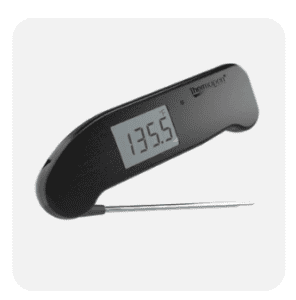
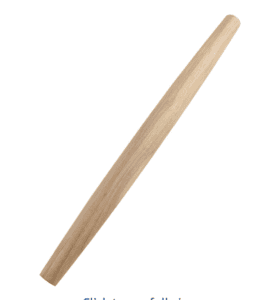
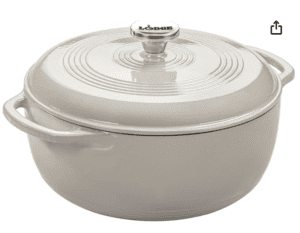
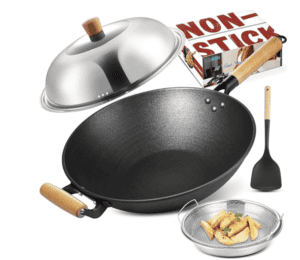
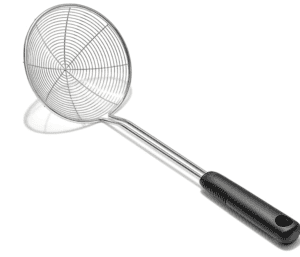
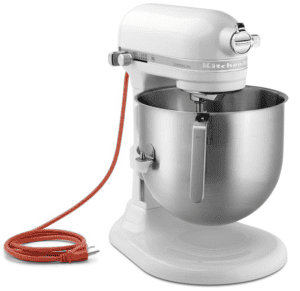
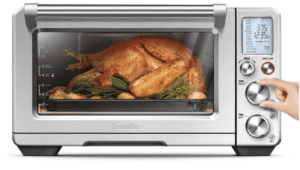
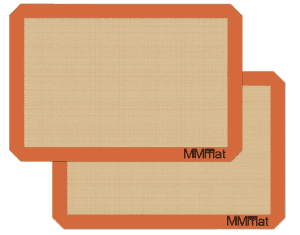

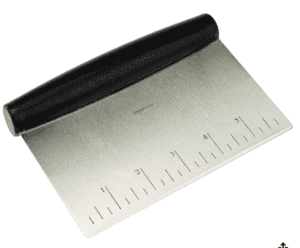
No special tools? Here’s how to make it work:
- No thermometer → test oil with a small piece of dough (should bubble immediately, not burn)
- No rolling pin → use a glass or jar
- No cutter → use a knife to cut squares
Additional Allergens/Suggested Modifications
- Yeast: try a sourdough conversion to yeast
- Dairy: use dairy free milk & butter
- Egg: use egg replacer (I suggest Bob Red Mills)
This recipe is naturally free of: nuts, fish, crustacean shellfish, tree nuts, peanuts, wheat, soybeans, seed oils, and sesame.

The Gluten Free Kitchen Cookbook Series
Healthy GLUTEN-FREE Recipes for Every Day LIFE
Your go-to cookbooks for all of the delicious & nutritious meals, sides, breads (yeast & sourdough), baking staples, snacks, desserts, drinks and more. With easy-to-follow instructions and beautiful step-by-step photography, every page invites you to explore nostalgic, healthy meals that make being gluten free a “get to” instead of a “have to”.
Whether you’re cooking for yourself or sharing with loved ones, The Gluten Free Kitchen Cookbook Series brings healthy living to your table every day.
How to Make Homemade Gluten-Free Beignets
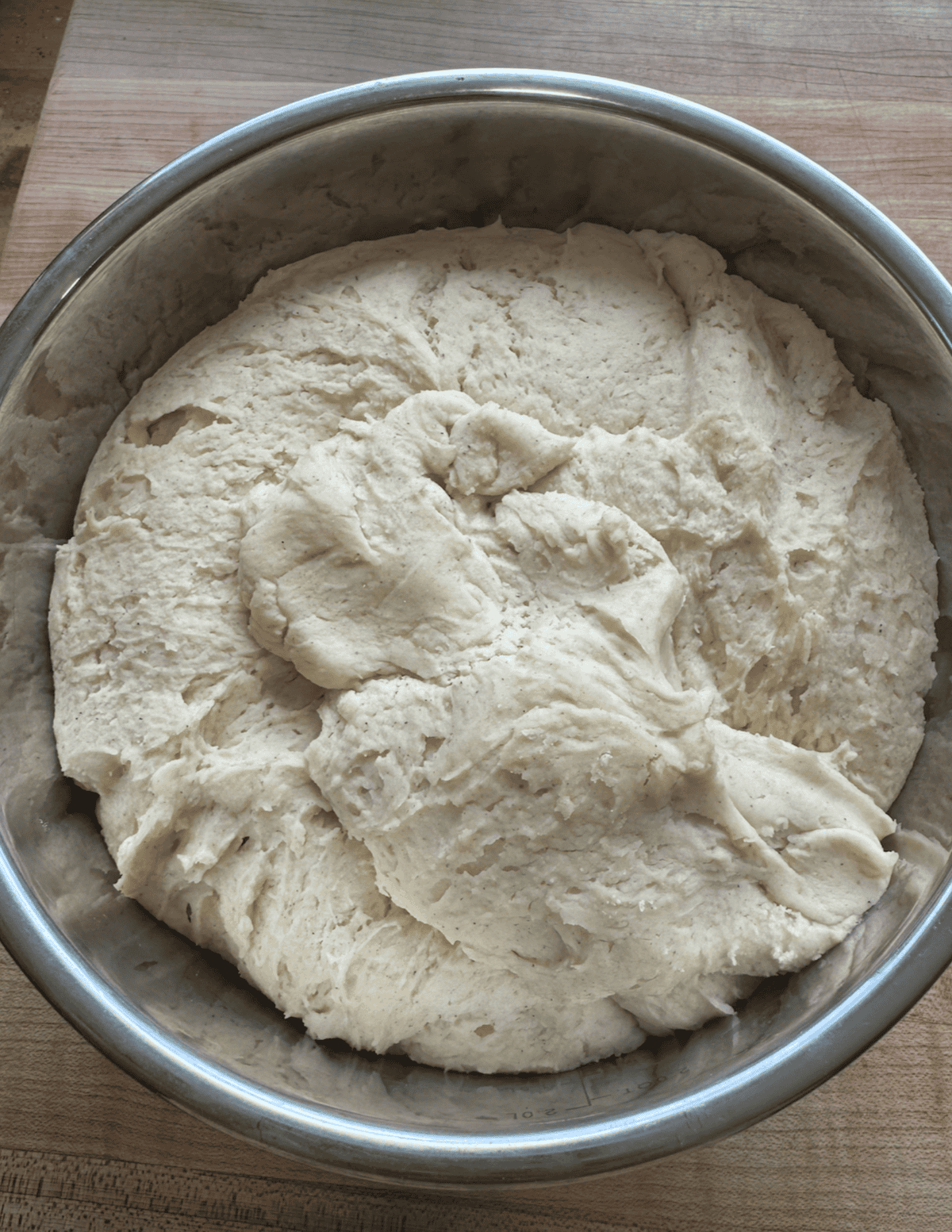
- Use a mixing machine to combine the dough ingredients
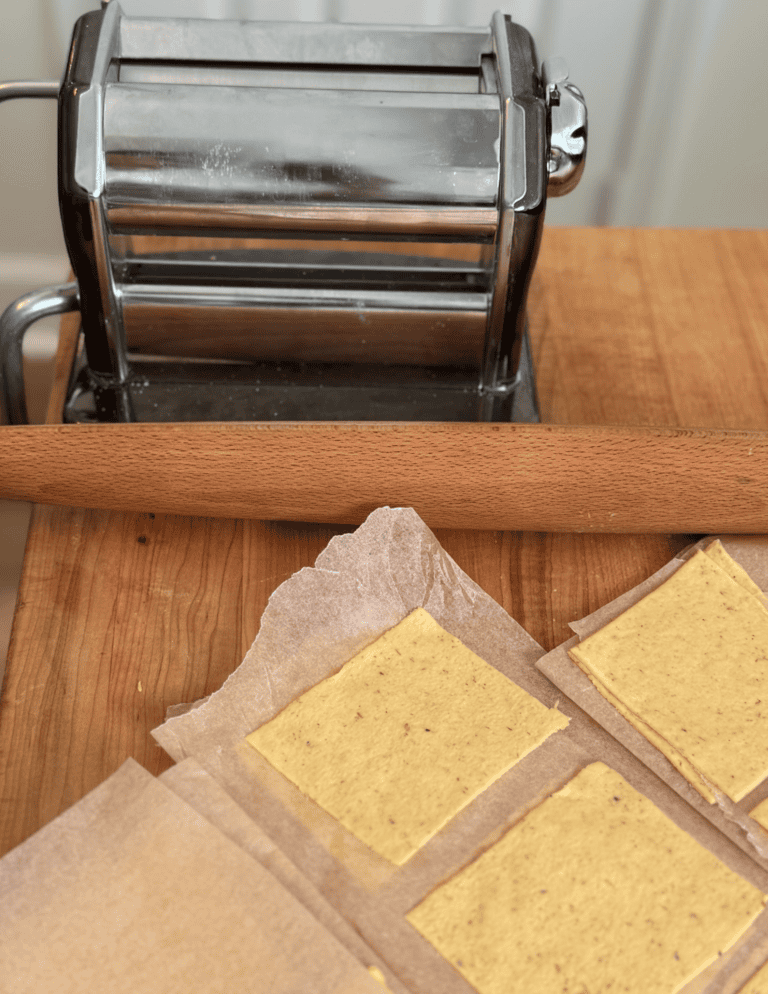
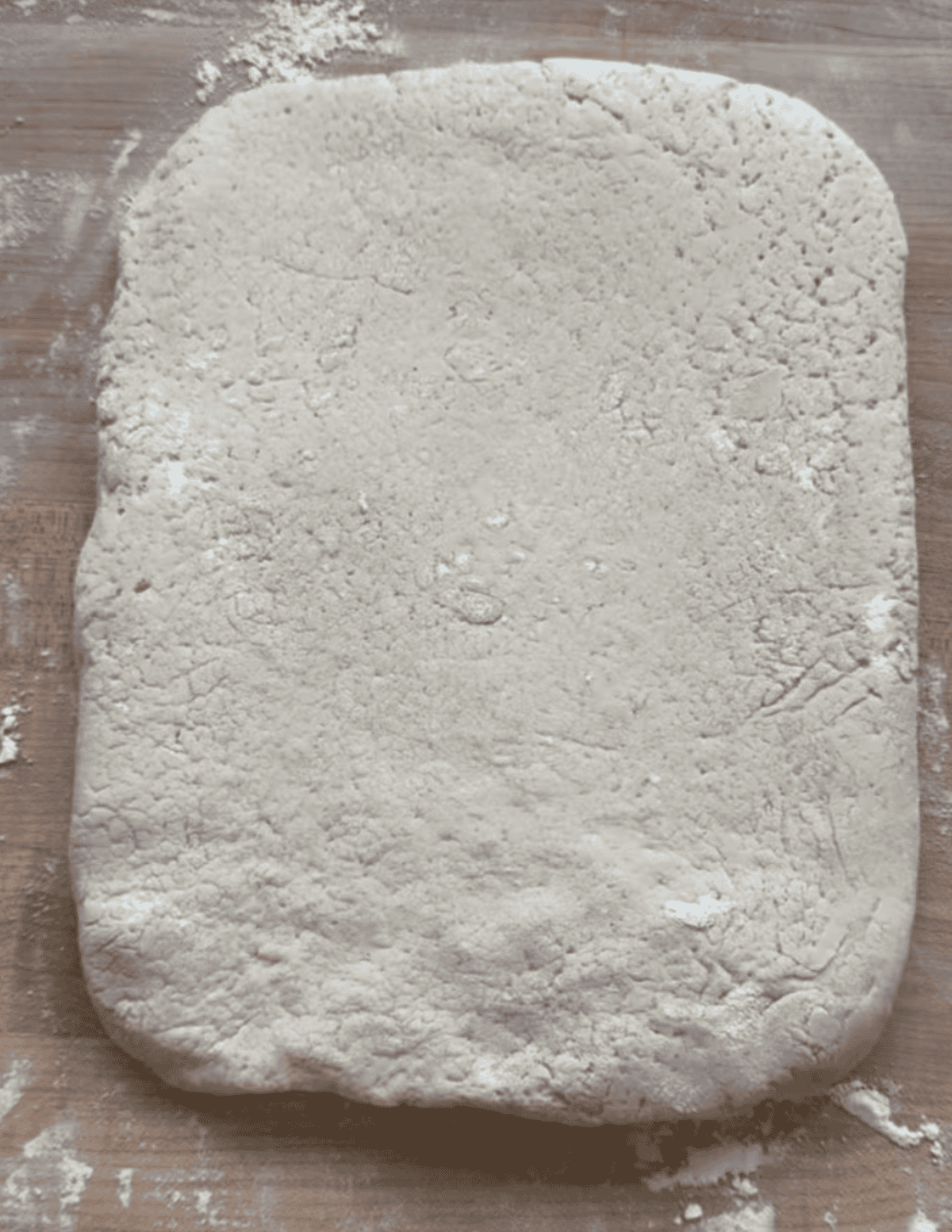
2. Roll the dough out into a thick, even rectangle (roughly 1/2 an inch – 1 inch thick).
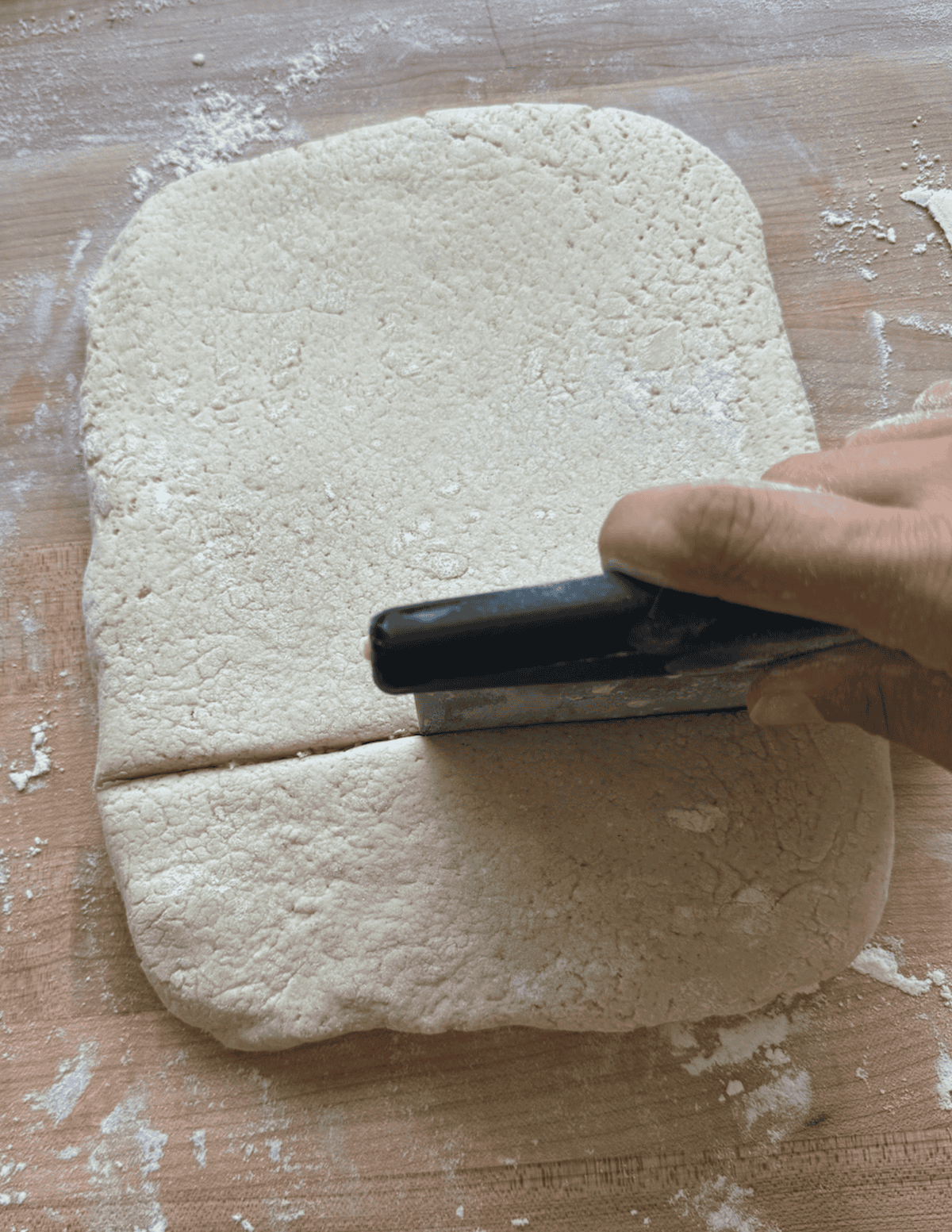
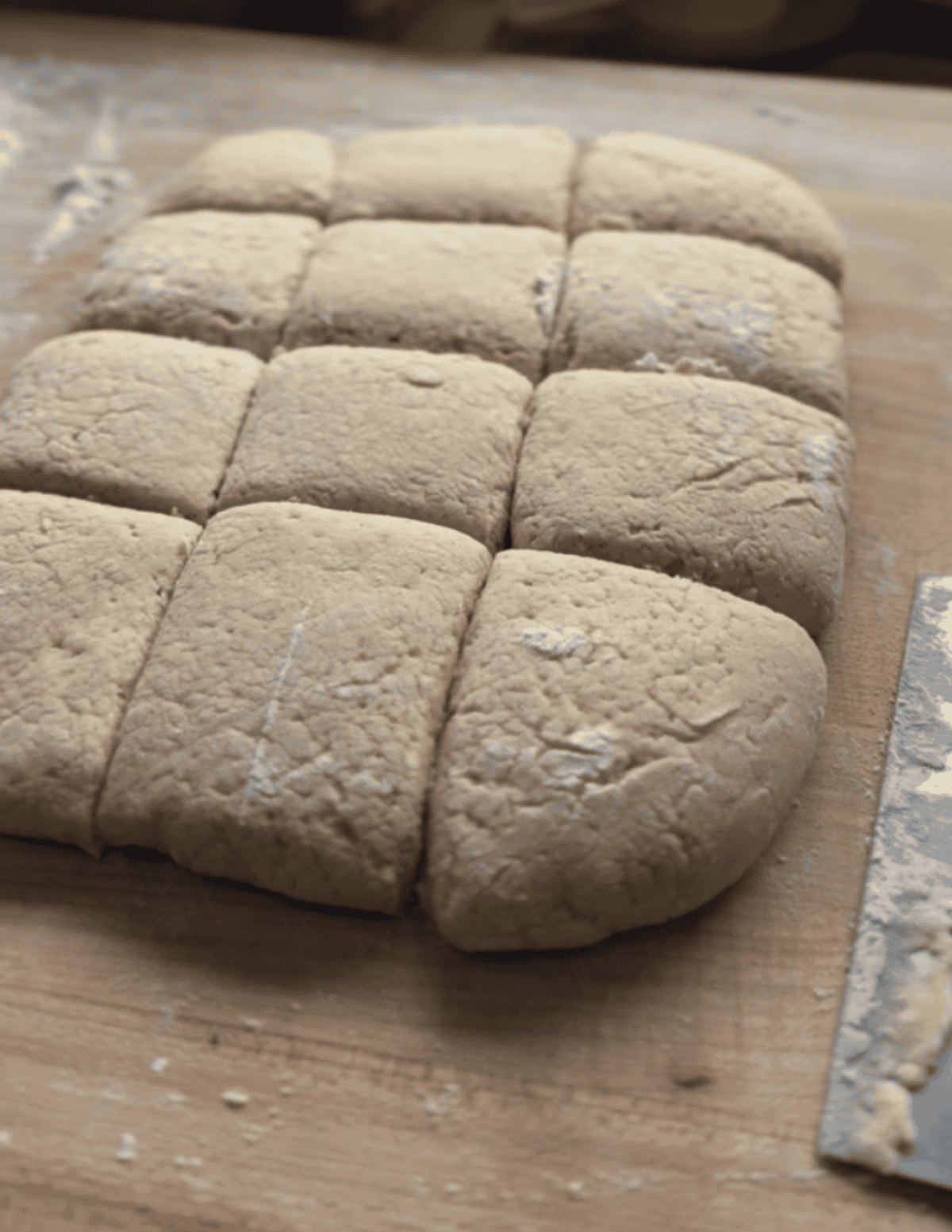
3. Use a dough scraper to cut into 2-2.5 inch thick pieces.
4. Place the dough in a proofing oven and allow it to grow. If you don’t have a proofing oven, cover the dough and place it in a warm, draft free area.
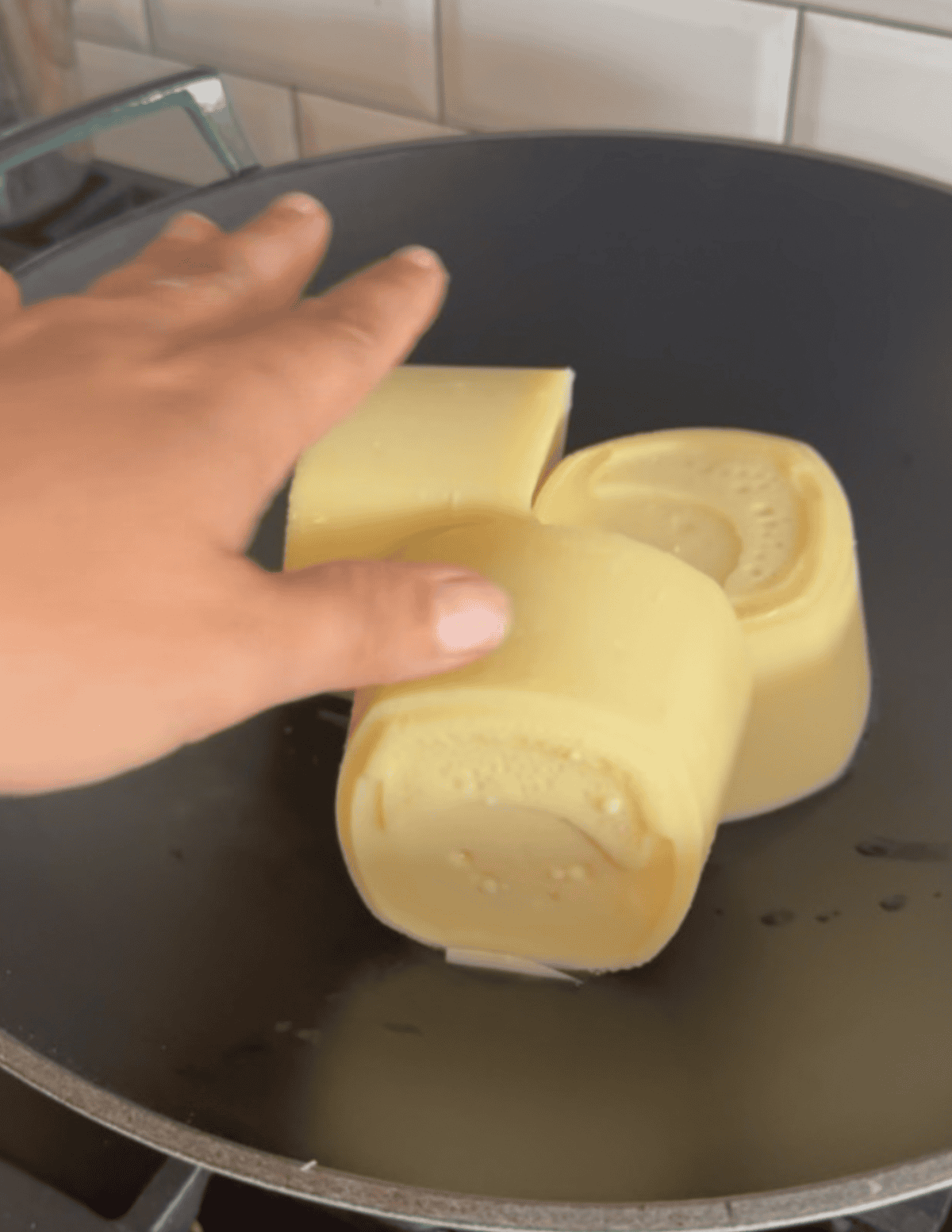
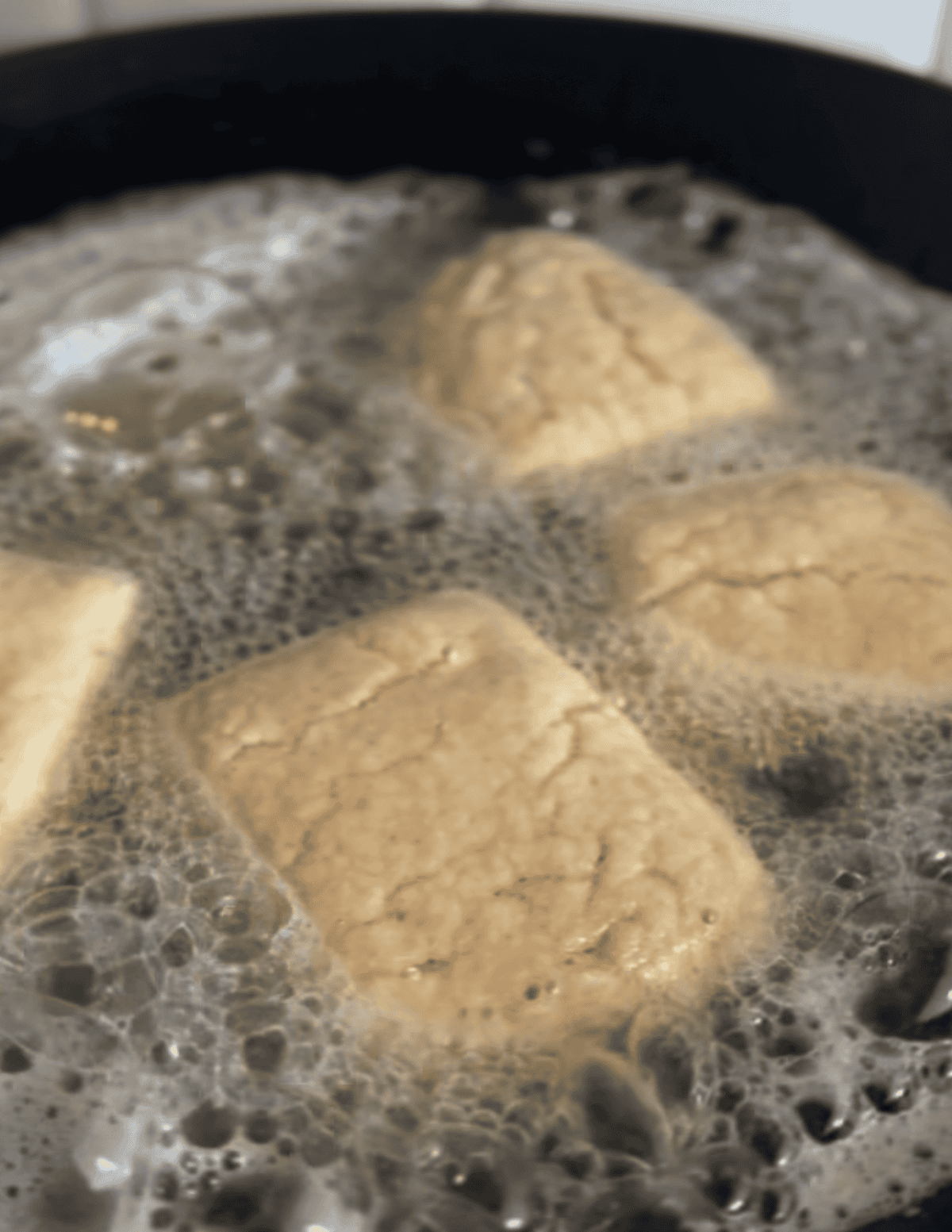
5. Heat a wok or other deep dish (for frying) and melt the tallow. It needs to reach 350°F. If you’re not using tallow, heat avocado oil.
6. Fry the beignets until they reach an internal temperature of 186°F.
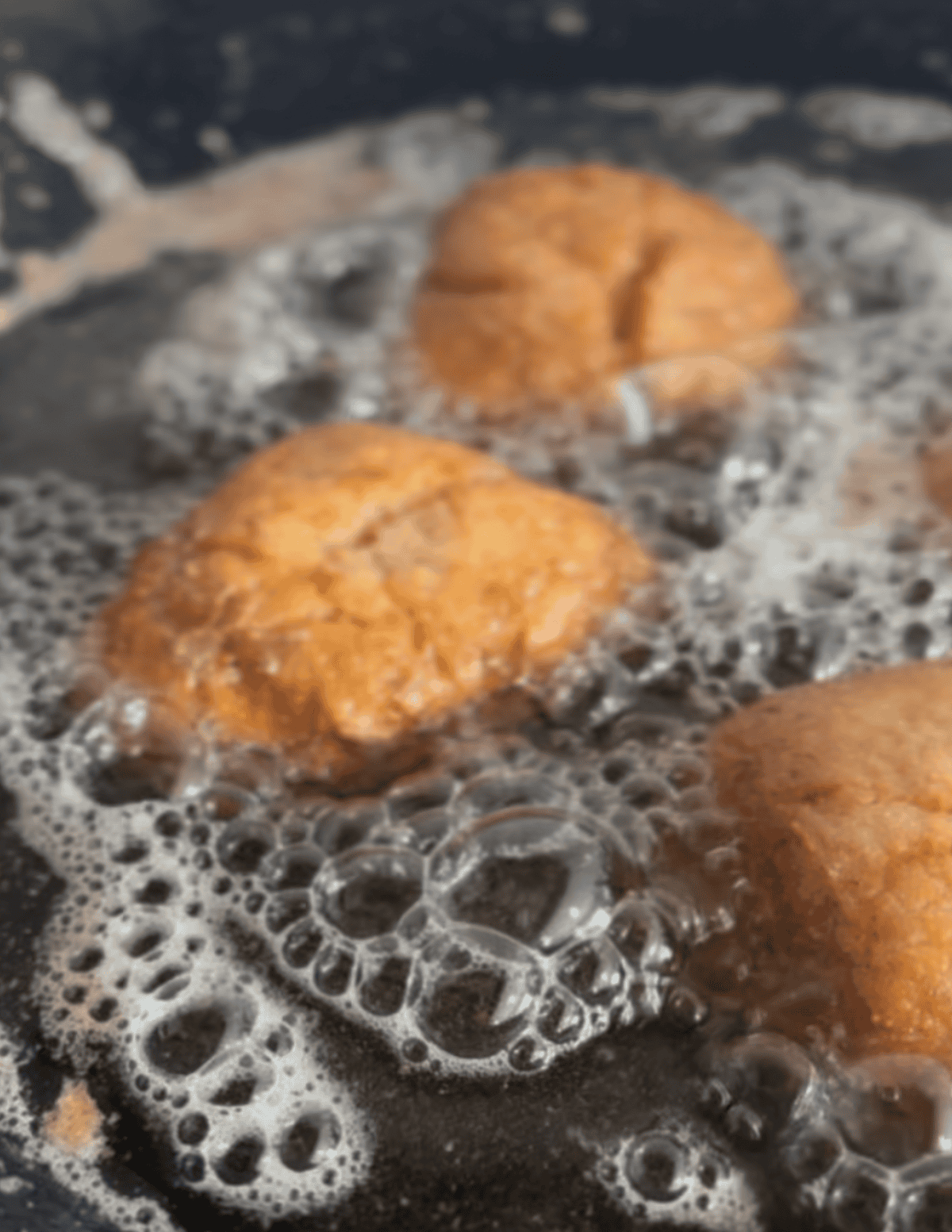
7. Allow the beignets to get golden brown and use a spider strainer to take it out.
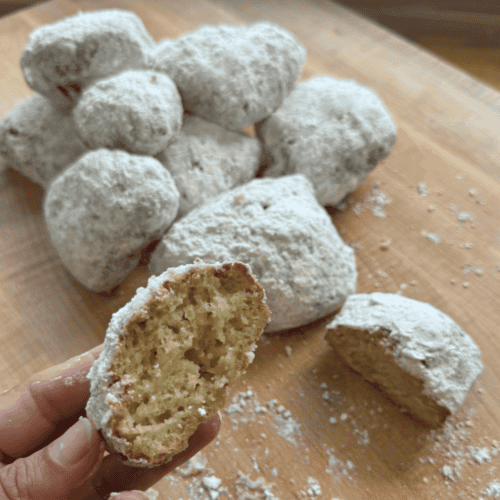
8. Place the beignets in powdered sugar and enjoy!
Common Mistakes to Avoid with Gluten Free Beignets
- Oil too hot → burns outside, raw inside
- Oil too cold → greasy beignets
- Overworking/flouring dough → dense texture
- Skipping rise time → no fluff
- Overcrowding pan → uneven cookings.
Gluten Free Beignets (Fluffy + Not Dense)
Ingredients
Bloom the Yeast
- 4 tsp Yeast
- 2 tbsp Honey
- 1 cup Water warm
Remaining Ingredients
- 3 cups Gluten Free Flour One-to-One
- 1/2 tsp Salt
- 1/2 cup Raw Milk or milk substitute
- 2 Eggs
- 4 tbsp Butter melted
- 36 oz Tallow (for frying)
Topping
- 2 cups Powdered Sugar
Instructions
Proof the Yeast
- Prep yeast by combining warm water, honey and yeast. Once combined, place in a proofing oven or on the counter to proof.
Make the Dough
- Combine flour and salt together followed by milk, eggs and melted butter.
- Once the yeast has proofed, add it in and mix until well combined. (Around 5 minutes in a stand mixer).
- Lightly flour a surface and roll the dough out – be careful not to push the dough down hard when rolling, we want to capture the fluffiness of the dough.. The lightness of the dough is what makes it so fluffy after you fry it!
- Form the dough into a 1 inch thick rectangle. Using a floured dough scraper, divide the large rectangle into 12 small rectangles. (Roughly 2 inches pieces).
- Cover the dough pieces and place it in a proofing oven. Proof for 45 minutes.
Baking the Beignets
- Once proofed, heat the tallow to around 350°F. This doesn’t have to be exact, but shouldn’t go over 350°F.
- When the tallow is around 350°F, carefully place the beignets into the tallow and fry until golden brown on both sides and reaches an internal temperature 186°F.
- The beignets are the best when they are served warm and fresh! Coat in Powdered sugar and enjoy!
Prep/Storage Options:
- Best fresh: These are best eaten right after frying
- Short term: Store at room temp for up to 1 day
- Reheat: Warm in oven (350F) or air fryer for 10 minutes to bring back texture
- Freezer: Freeze dough before frying for later use or freeze cooked beignets to reheat later. If freezing, Don’t dip in powdered sugar. Wait to reheat and then coat the beignets so they don’t absorb all of the powder.
- Make ahead: Prep dough and refrigerate overnight for a longer ferment. When ready, take it out in the morning and allow it time to come to temperature and proof.
Recipe Tips
Don’t over-flour the dough → this can make beignets dense
Keep dough slightly sticky for better rise and texture
Maintain oil temperature (around 350°F) for even frying
Fry in small batches to avoid dropping oil temperature
Flip once puffed to ensure even golden color
Dust with powdered sugar while still warm for best coverage
Recipe FAQs
Get on the List
Subscribe to Receive the Gluten Free Pantry Must Haves Ebook