

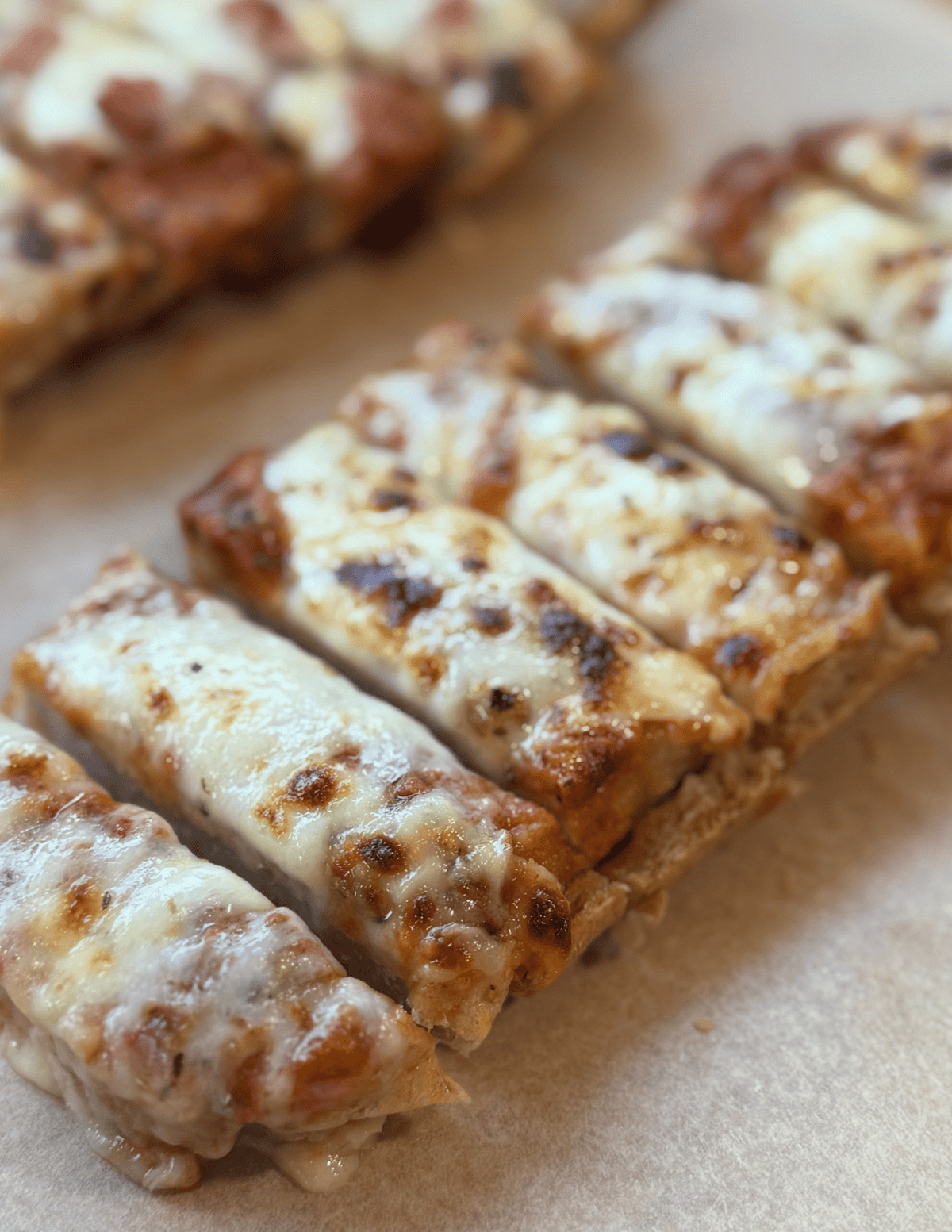
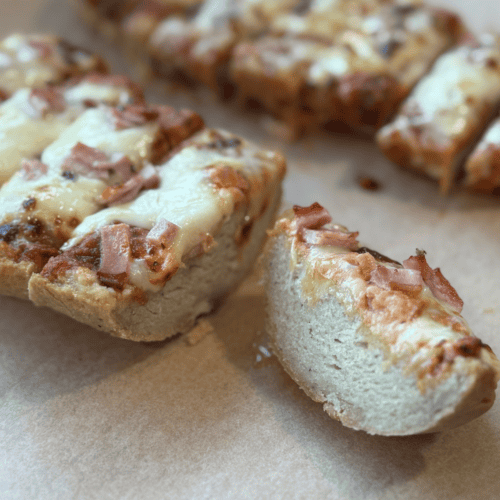
These gluten free French bread pizzas made with pizza dough give you that crispy, chewy “French bread” base—without needing actual bread. Instead of relying on store-bought loaves that are often dry or full of additives, this version uses pizza dough to create a thick, structured base that bakes up golden on the outside and soft in the center.
You still get that nostalgic, open-faced pizza feel, but with better texture, cleaner ingredients, and way more control over flavor. If you’ve made my gluten free pizza dough or pizza bites before, this is one of those recipes that takes the same base and turns it into something fun, shareable, and seriously addictive.
This post may contain affiliate links, please read our disclosure policy for details.
Fresh Milling Flour
Before we dive in here, I want to note, you don’t have to use fresh milled flours to successfully make this recipe. There are already milled versions of the flours I’m sharing that I will link in the ingredient’s list section!
Using fresh milled flours instantly levels up the nutrient density of your recipe. In our house, if you’re going to indulge, mama is going to stack the recipe with healthier ingredients! If you’ve never milled fresh gluten-free grains, this step may seem intimidating, but let me ease you’re mind, it’s easily the most simple hack you could ever do to level up your recipes.
To unlock this health hack, all you need are gluten free grains from a trusted source and a grain mill. My favorite is the Nutrimill Harvest Grain Mill. You’ll flip the switch on, pour the grains into the hopper, and fresh milled flour will flow out into a bowl. It’s really that simple.
Here’s a video walk through of fresh milling grains:
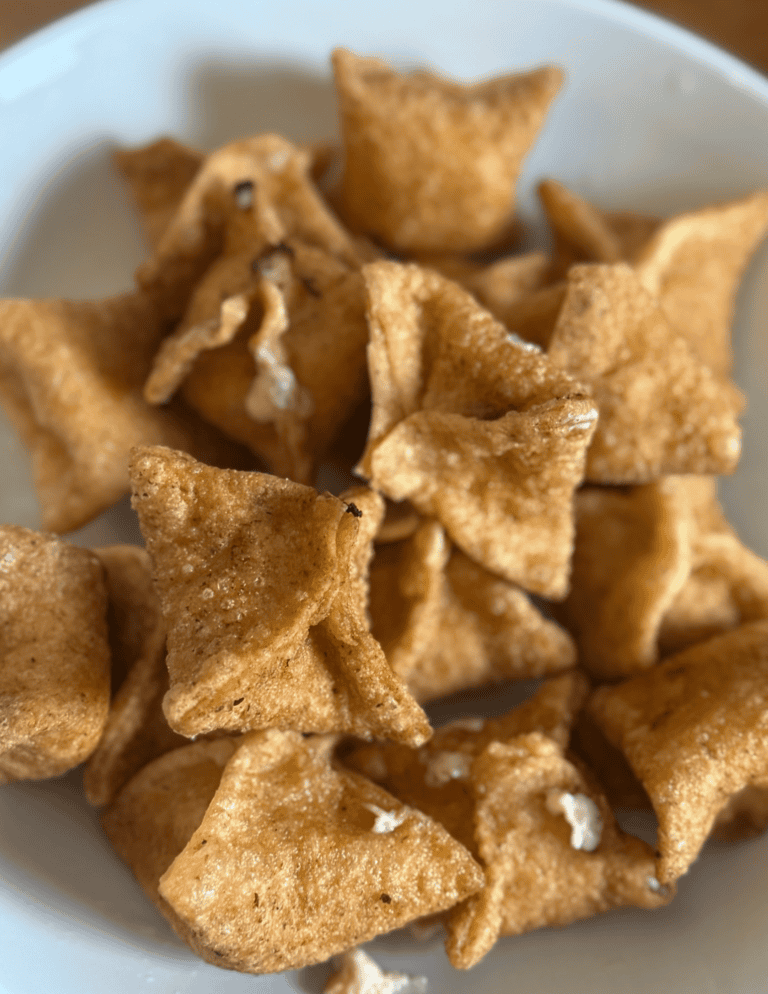
“These cheese bites are the perfect afternoon snack as is or dipped in marinara sauce!”
Ingredients
Please see recipe card at the bottom of this post for the full recipe details.
1. Psyllium Husk Mix
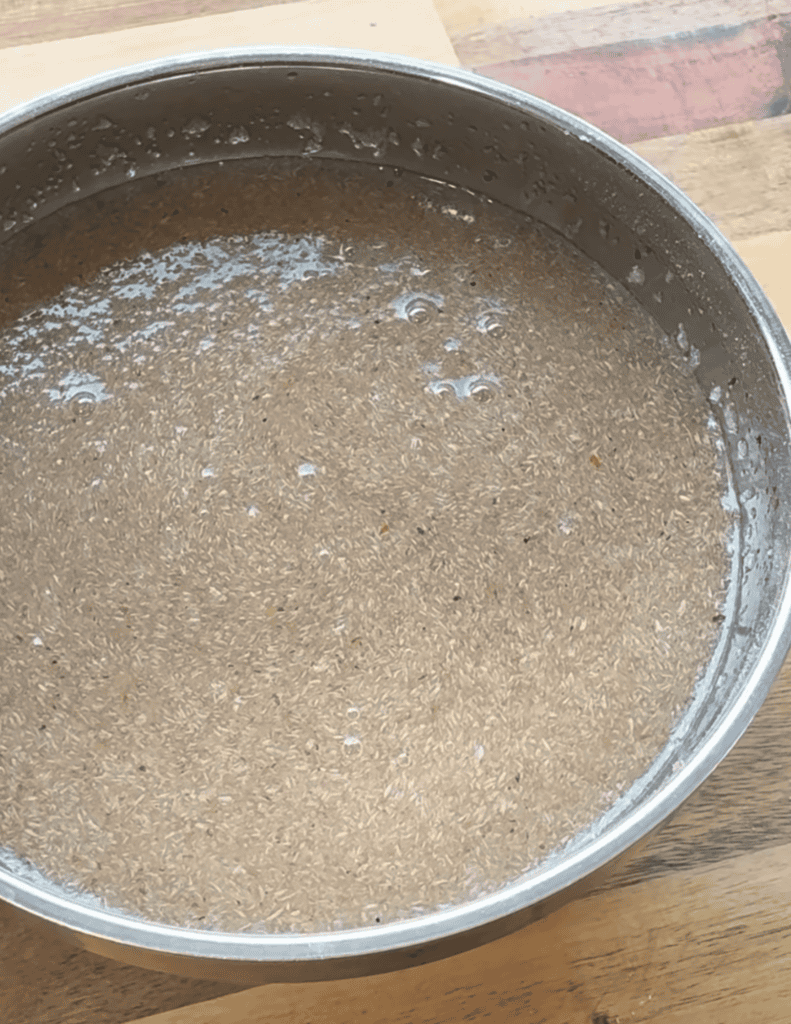
This is a mix of psyllium husk (whole husk) and warm water. When combining the two together, a gel mixture is formed that helps create the structure of the dough. It is importance to use a trusted brand of psyllium husk (I recommend this one). It’s also extremely important to get whole husk. Powdered husk is finer and requires more water to compensate for the excess surface area on the powder compared to the whole husk.
Watch how to make psyllium husk gel for yeast breads with whole husk here:
2. Bloomed Yeast
By combining the yeast, warm milk (or water if dairy-free) and honey together and allowing it time to proof in a warm, draft free area, a frothy “bloomed” yeast emerges which reassures you that your yeast is active and will help your dough rise beautifully. I recommend using a countertop proofing oven to ensure a warm and compatible environment for proofing not only the yeast but the dough as well. My favorite is this multipurpose oven.
Here’s a tutorial on how to bloom the yeast:
3. Flours/Powders
There are many flours that can be used if the following flours are not accessible where you’re at or if your diet requires modifications. There are many times when I run out of a flour and sub it out for another that I have on hand. Understanding the different flours and their fellow flours that perform similarly within a recipe will help you adjust and become empowered with swapping out ingredients.
- Millet Flour
If using fresh milled gains, I get these from Azure Standard (US based option), Amazon, or Bread Becker. If using already milled grains (similar to just picking up flour at the store) I useBob’s Red Mill or Anthonys. Millet is one of the oldest cultivated grains and is naturally alkaline, making it easy to digest. It’s excellent for tender cakes, flatbreads, and sandwich breads. Its mild flavor complements sweet and savory dishes. - Gluten-Free One-to-One Flour
A high-quality gluten-free one to-one flour blend provides structure while keeping the cookies crisp, not crumbly. I prefer Bob’s Red Mill Gluten-Free 1-to-1 Baking Flour for this recipe because it produces consistent results and bakes evenly. Be sure to use a one-to-one blend that already contains xanthan gum. If you’d like to substitute this ingredient out completely, increase the Xanthan Gum within the recipe by 1/2 tsp.
4. Salt
A small amount of salt goes a long way. Don’t skip it—it makes a noticeable difference.
5. Avocado Oil
Avocado oil is my go-to fat for soft, because it keeps the dough tender without adding any strong flavor thanks to its neutral taste, It also adds healthy fats to help prevent dryness and cracking — something gluten-free doughs are especially prone to. Avocado oil also has a high smoke point, which means your crust brown beautifully in the oven without burning or tasting greasy. If you need to sub it out, try using olive oil or melted tallow.
6. Mozzarella Cheese
This is my preferred topping for this recipe, but you can top it with any cheese (or topping) that you’d like!
7. Pizza Sauce
I use either pizza sauce or my favorite spaghetti sauce (whatever I have on hand) to make this come together! Either taste amazing.

The Gluten Free Kitchen Cookbook Series
Healthy GLUTEN-FREE Recipes for Every Day LIFE
Your go-to cookbooks for all of the delicious & nutritious meals, sides, breads (yeast & sourdough), baking staples, snacks, desserts, drinks and more. With easy-to-follow instructions and beautiful step-by-step photography, every page invites you to explore nostalgic, healthy meals that make being gluten free a “get to” instead of a “have to”.
Whether you’re cooking for yourself or sharing with loved ones, The Gluten Free Kitchen Cookbook Series brings healthy living to your table every day.
Making the Dough
This dough is so lovely to work with and the reason for that rests in the psyllium husk mix that creates such stability and elasticity with in the dough.
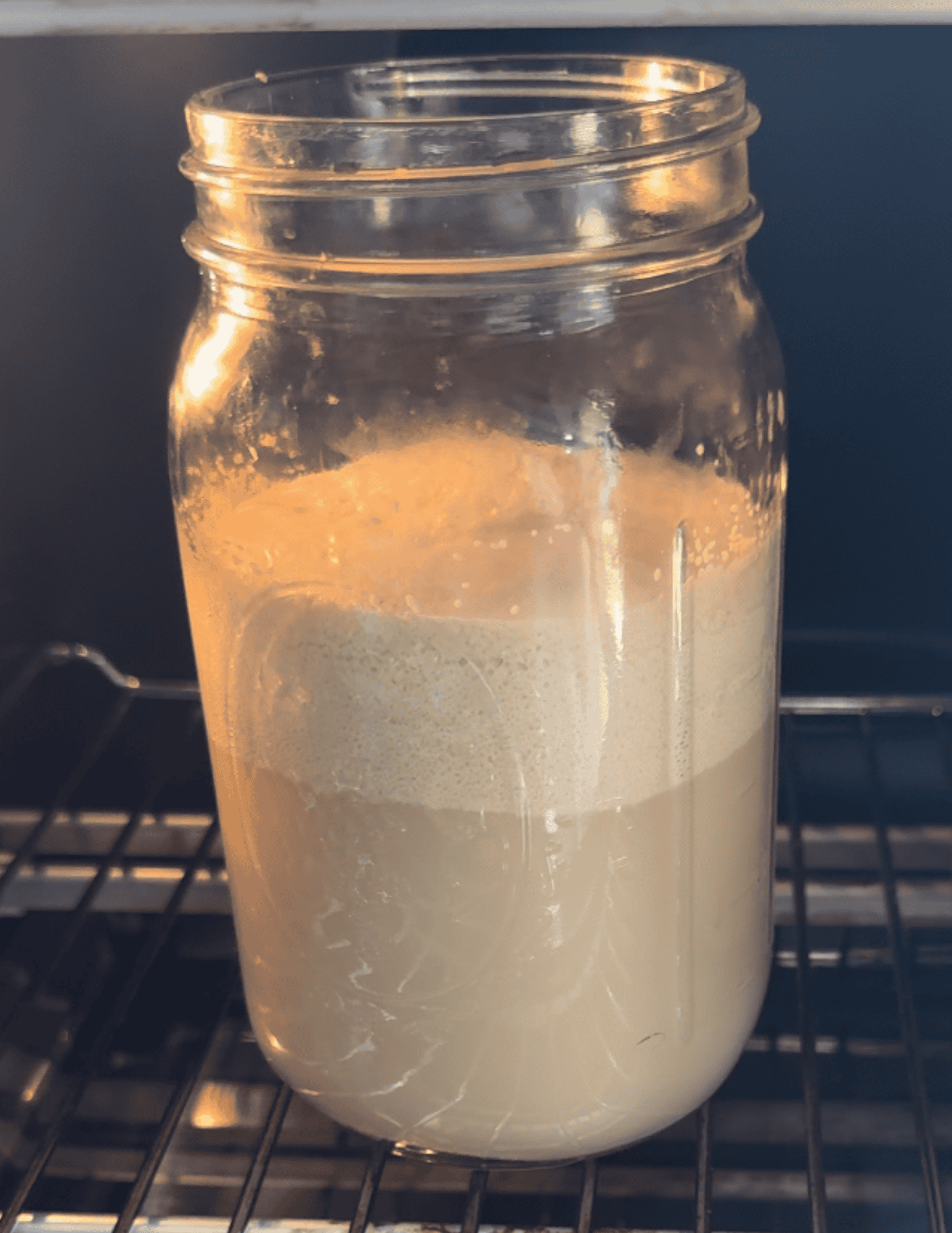
1. Proof Yeast
2. Mix Psyllium Husk + Water
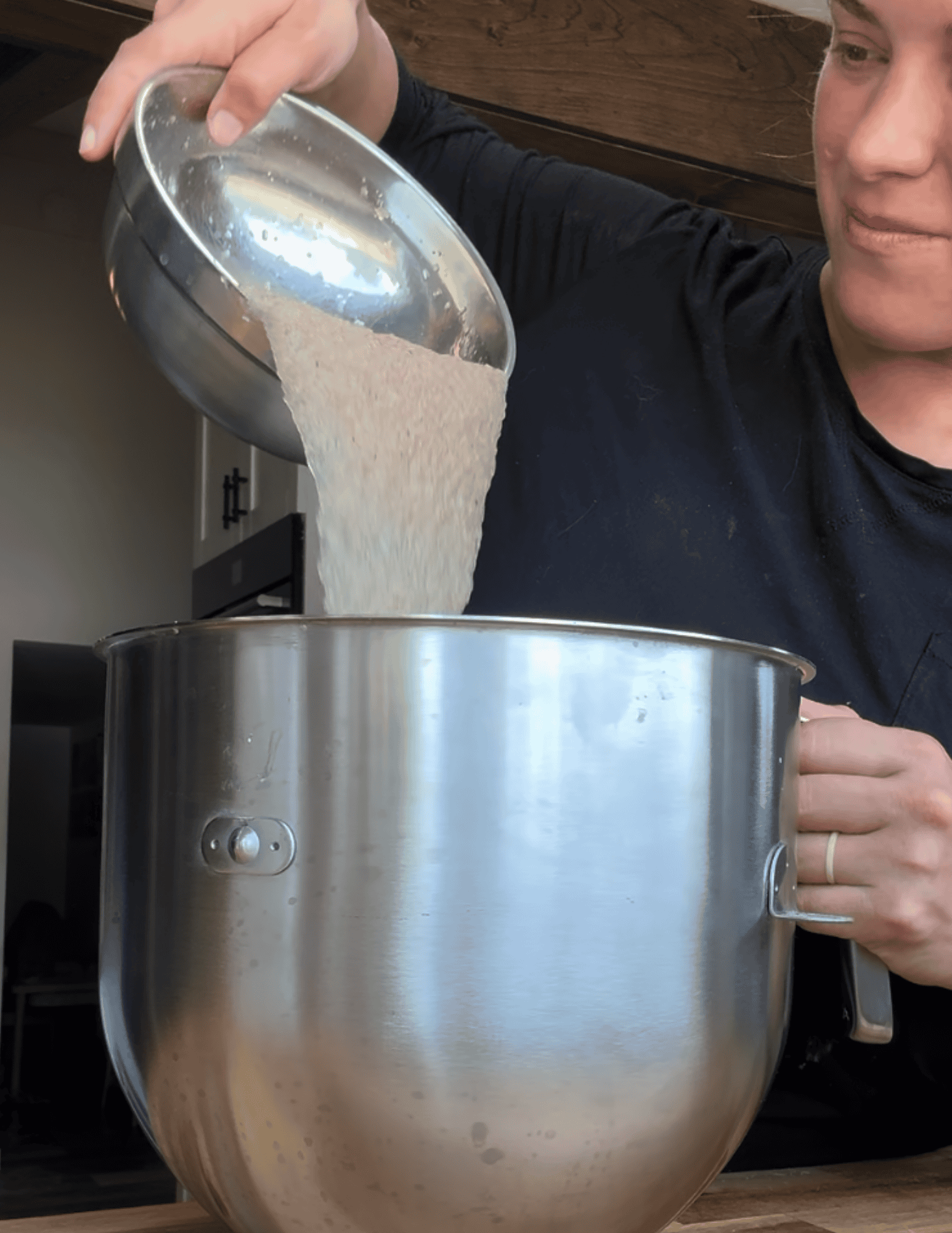
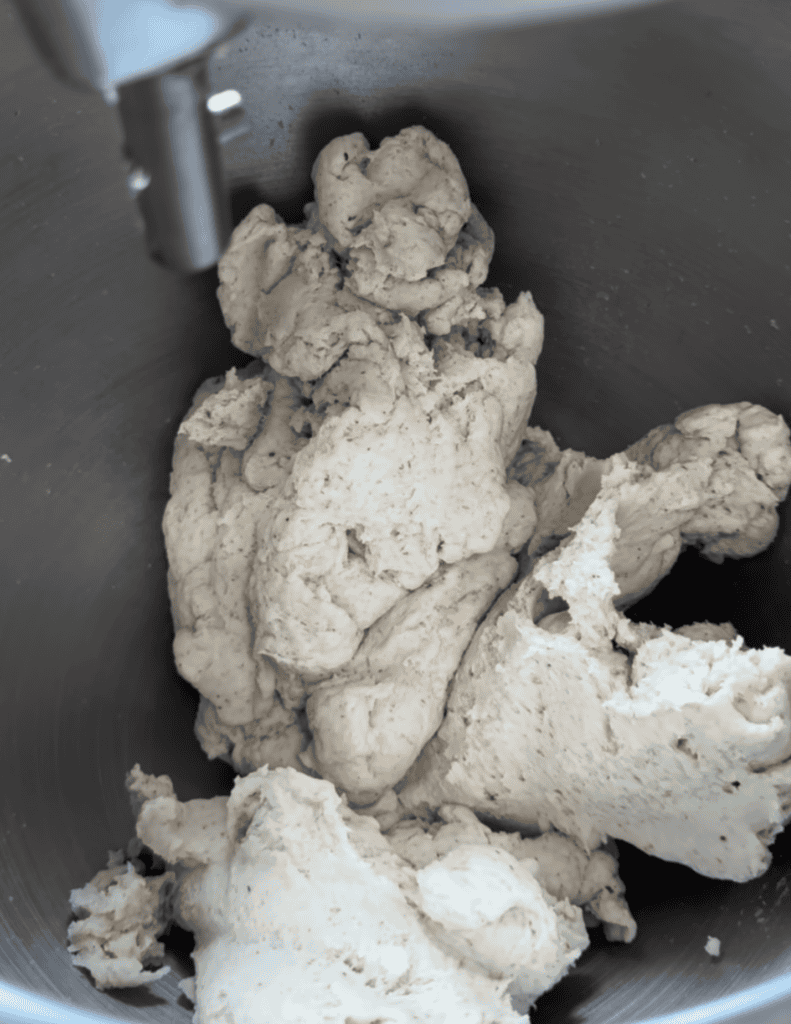
3. Add to Dry Ingredients
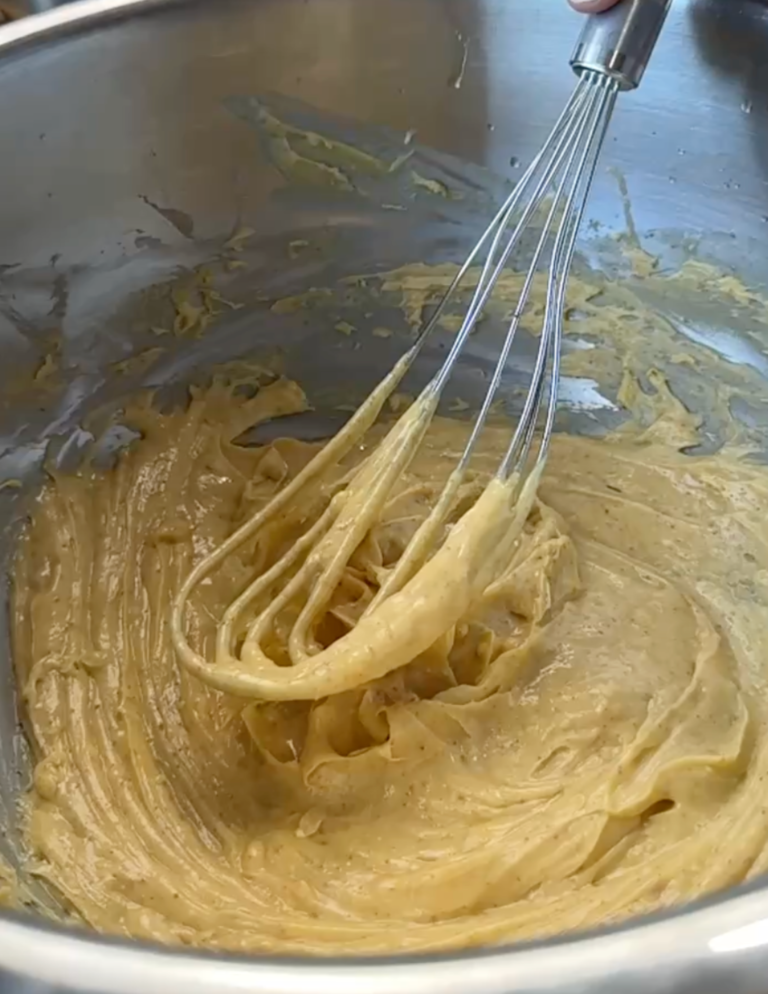
4. Dough Texture
Shaping the Rolls
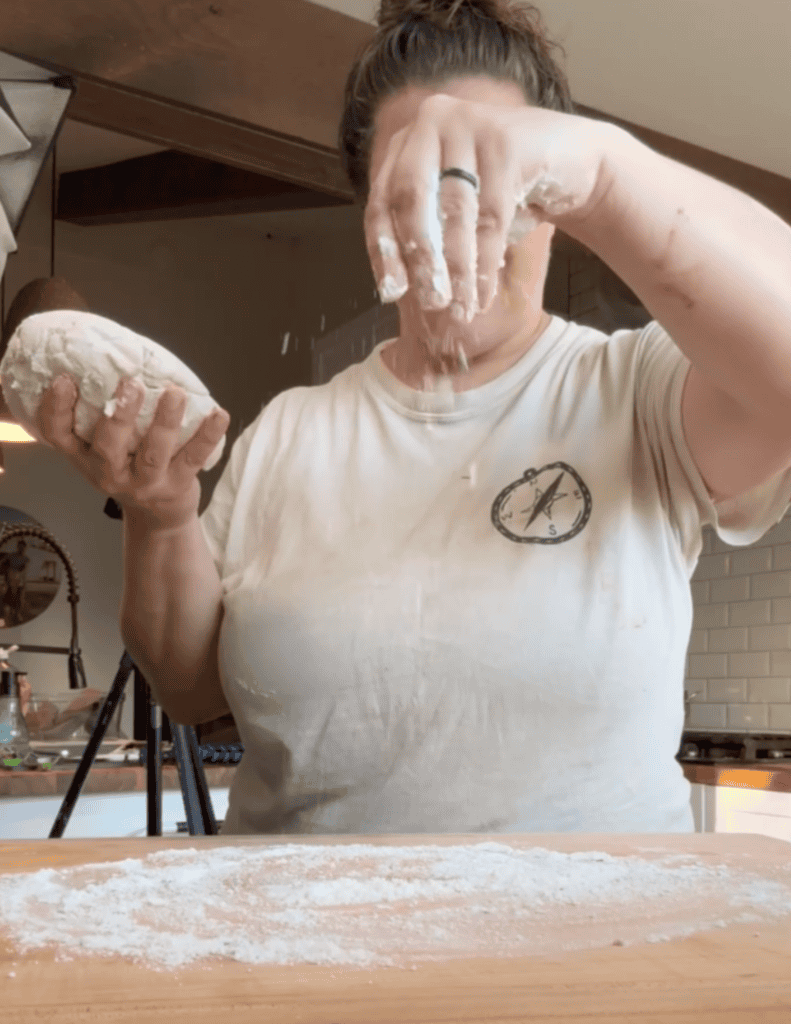
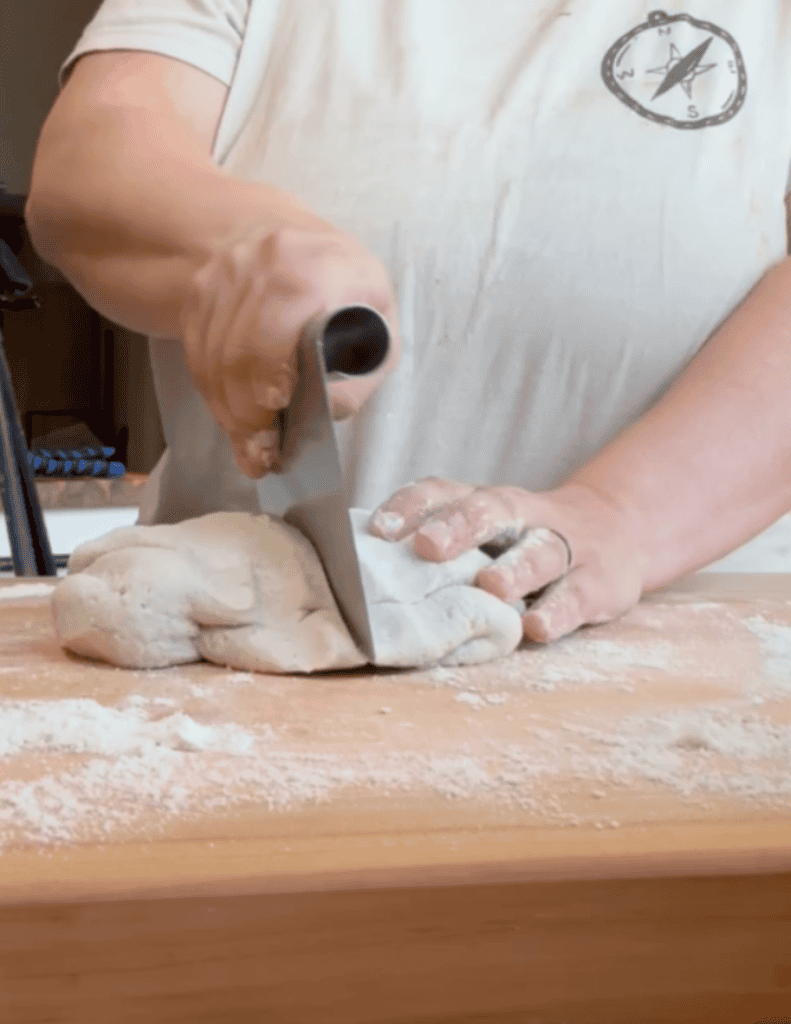
1. Flour the surface
2. Separate dough into smaller amounts to roll easier. You can do two large rolls if you really like a lot of dough or four smaller rolls.
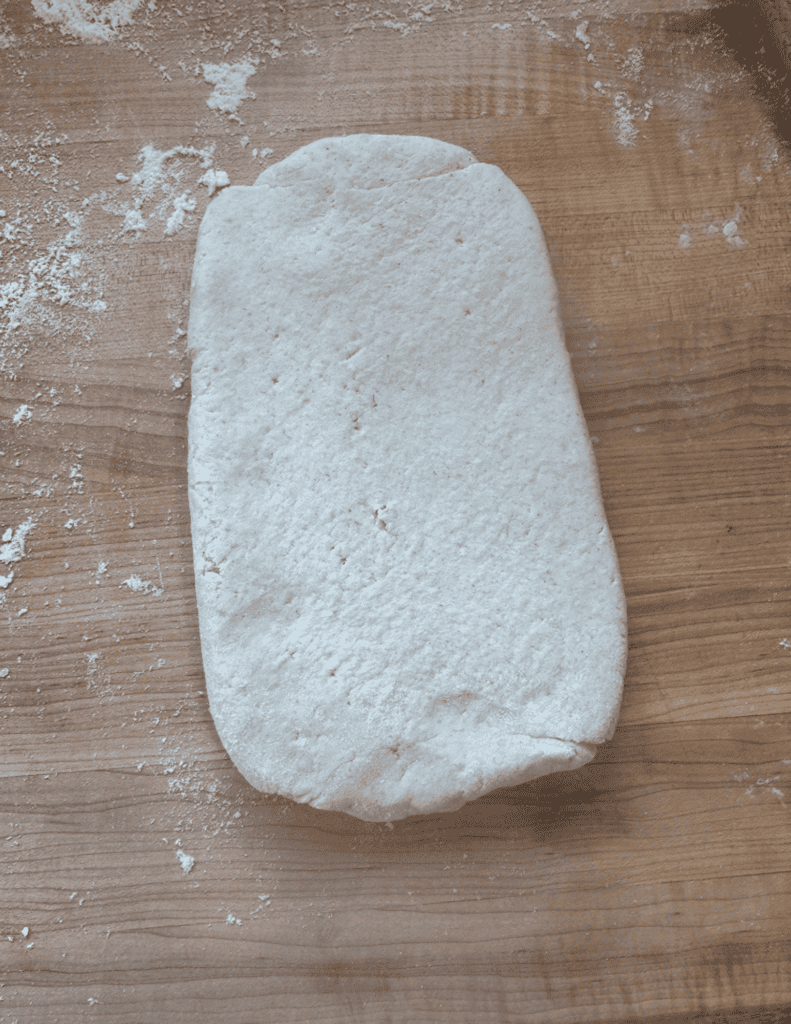
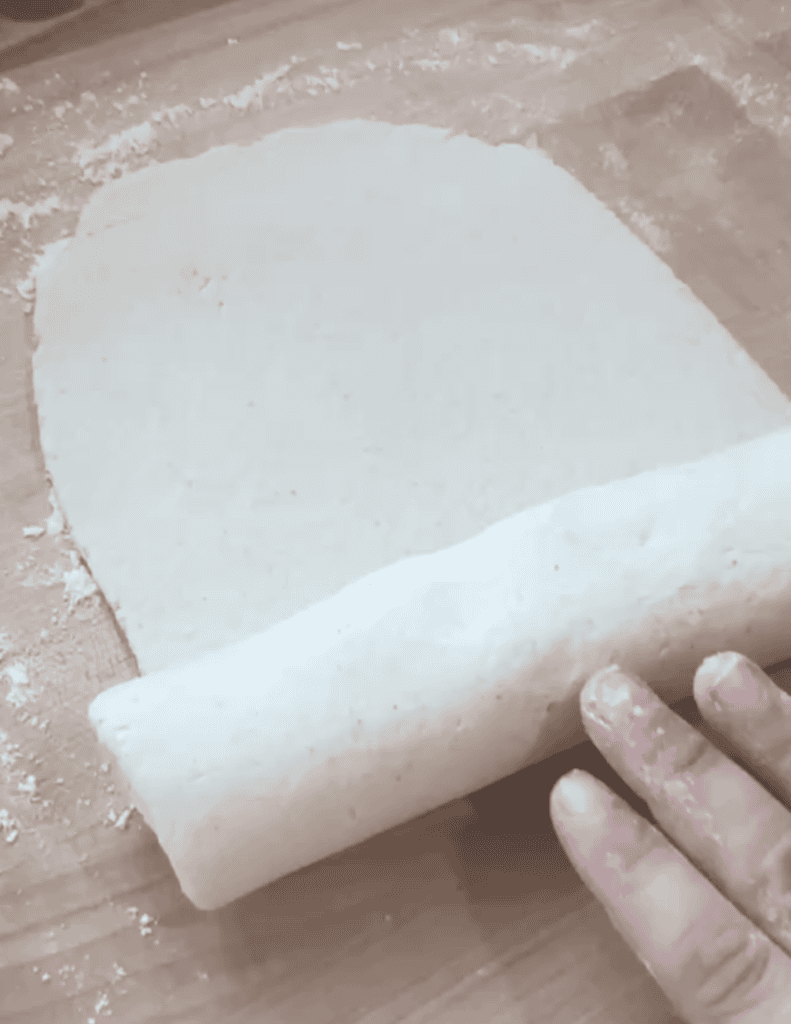
3. Roll the dough out longways flat and even.
4.Roll the dough up like a scroll.
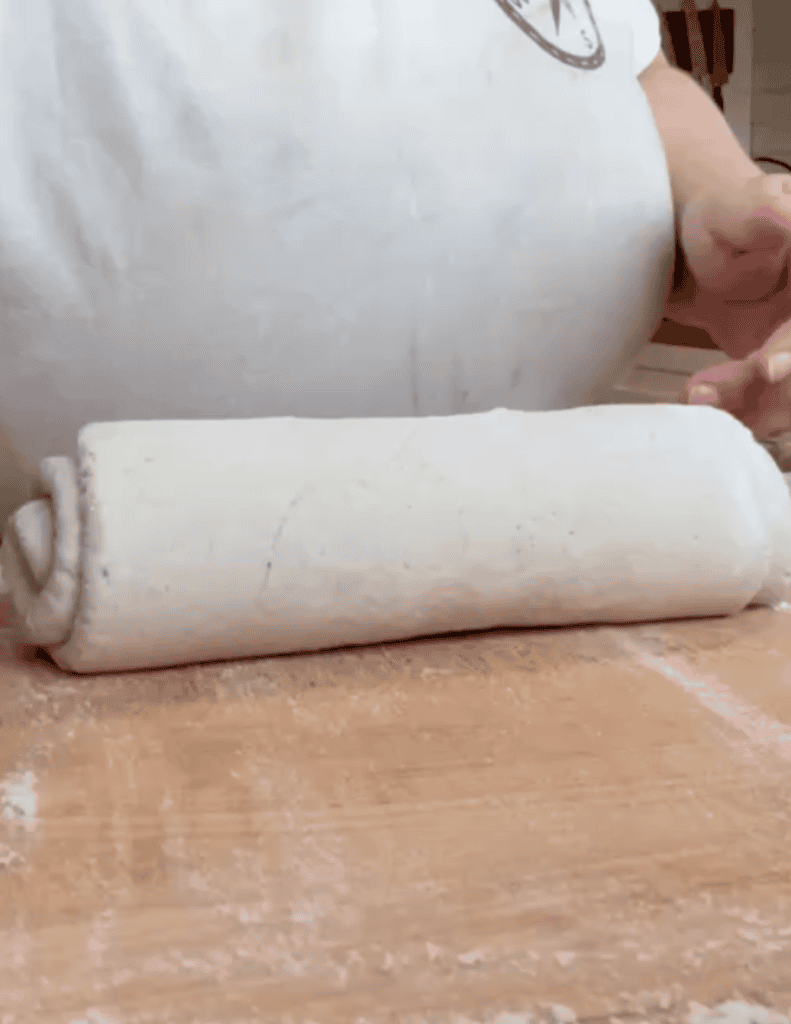
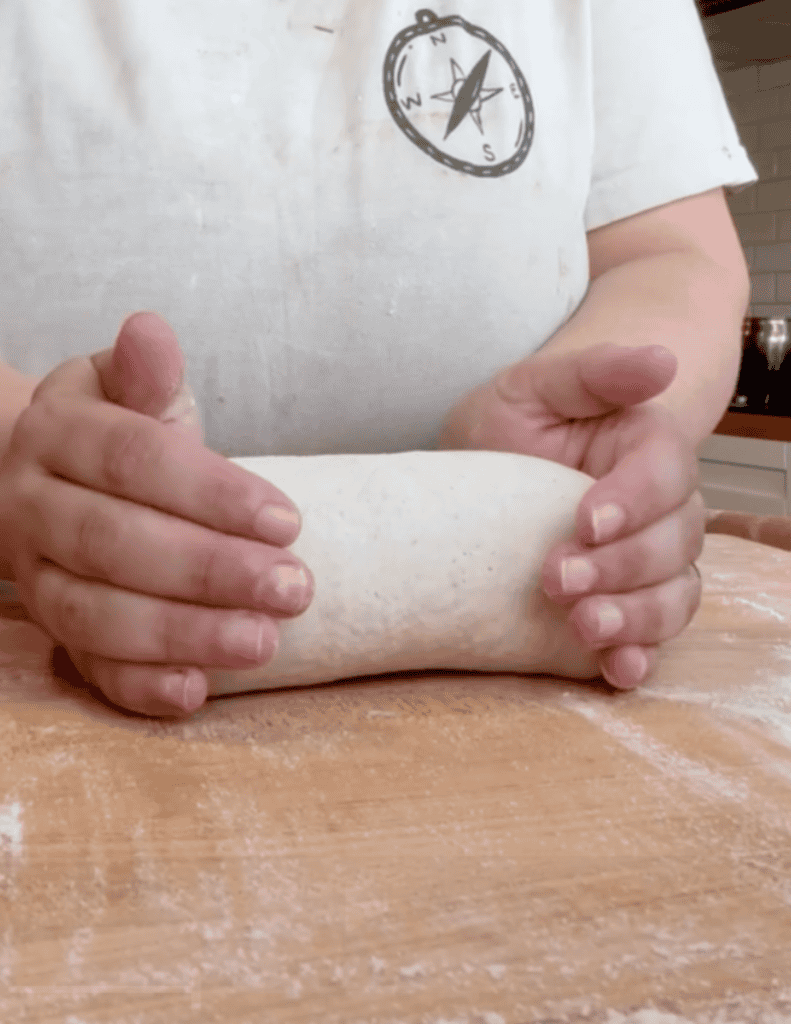
5. It will look like this. Repeat for the rest of the dough or use the dough to make pizza or fried cheesy bites!
6. Gently apply pressure to the outside edges to seal the pieces.
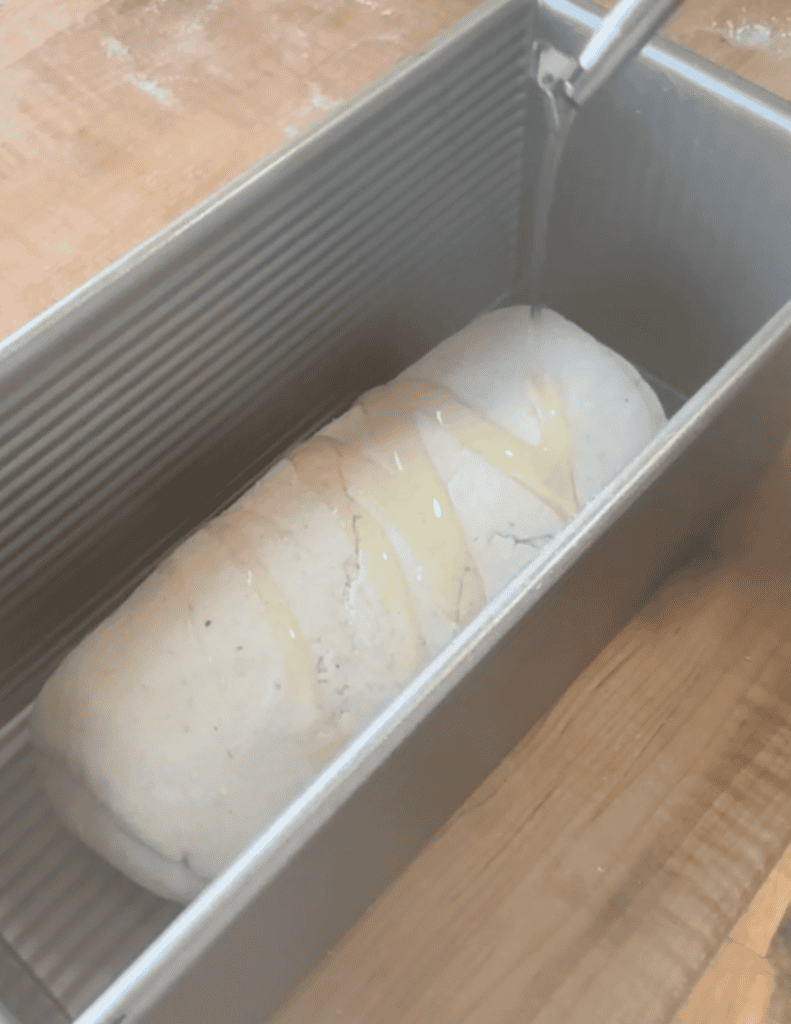
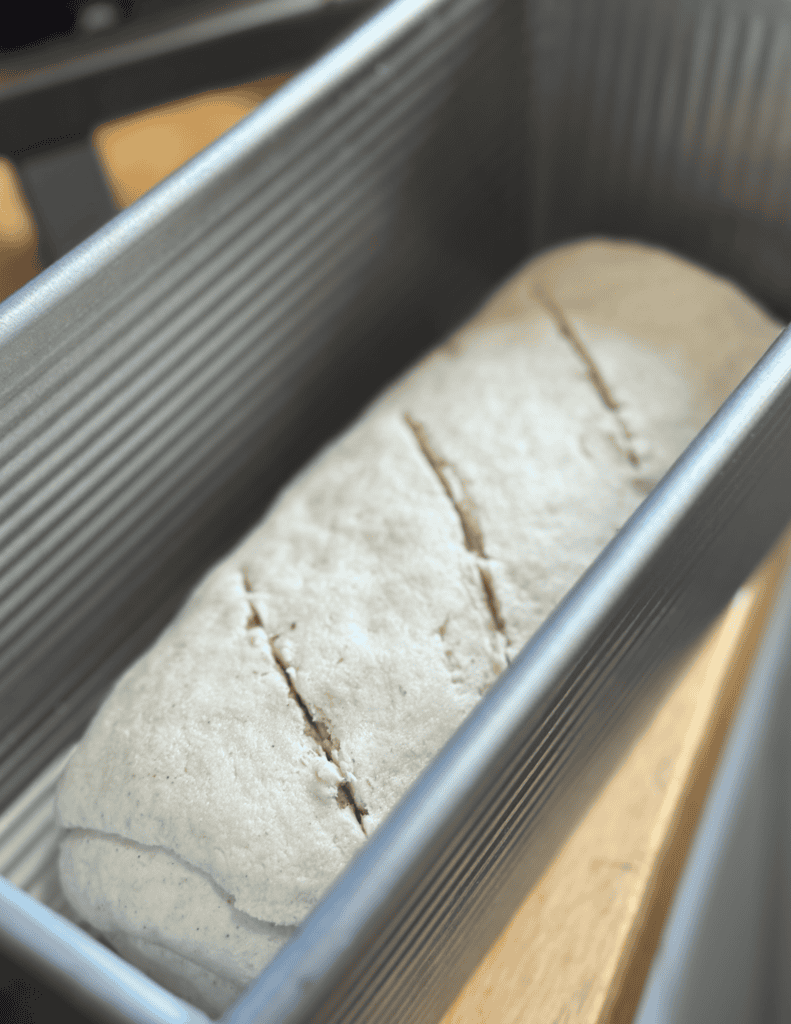
7. Transfer to a sandwich bread loaf and oil the top.
8. Make 3 slits to help with frapped air and expansion. Proof in a proofing oven for one hour before baking.
Preparing the Roll for Pizzas
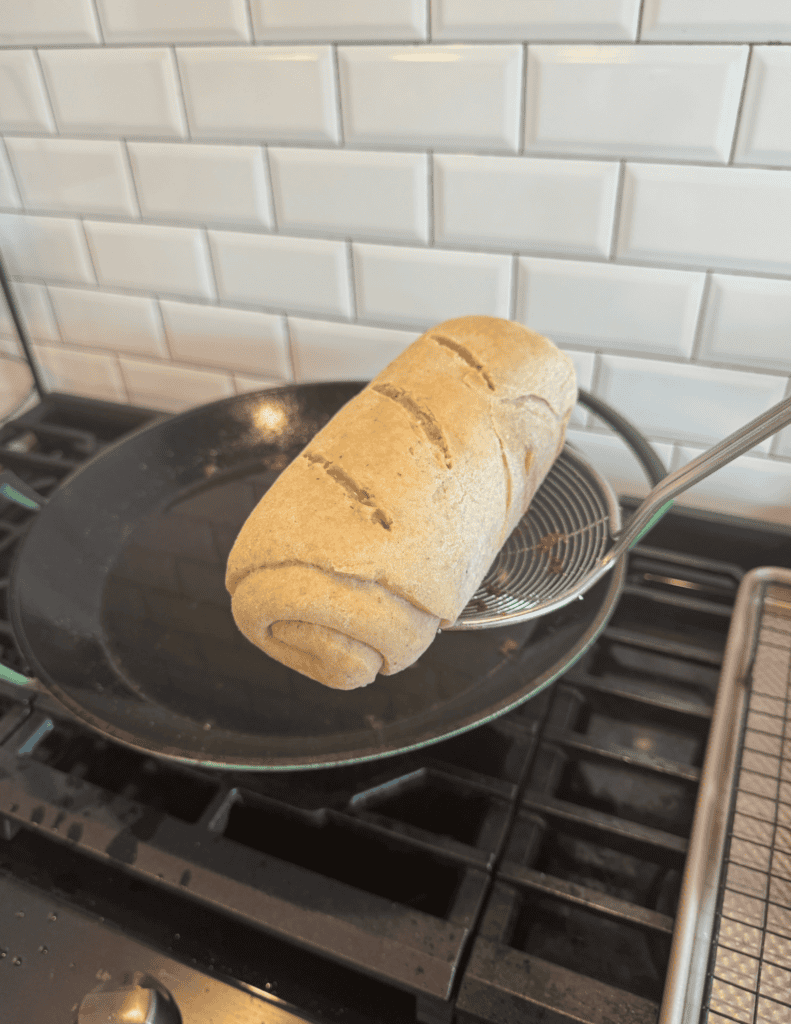
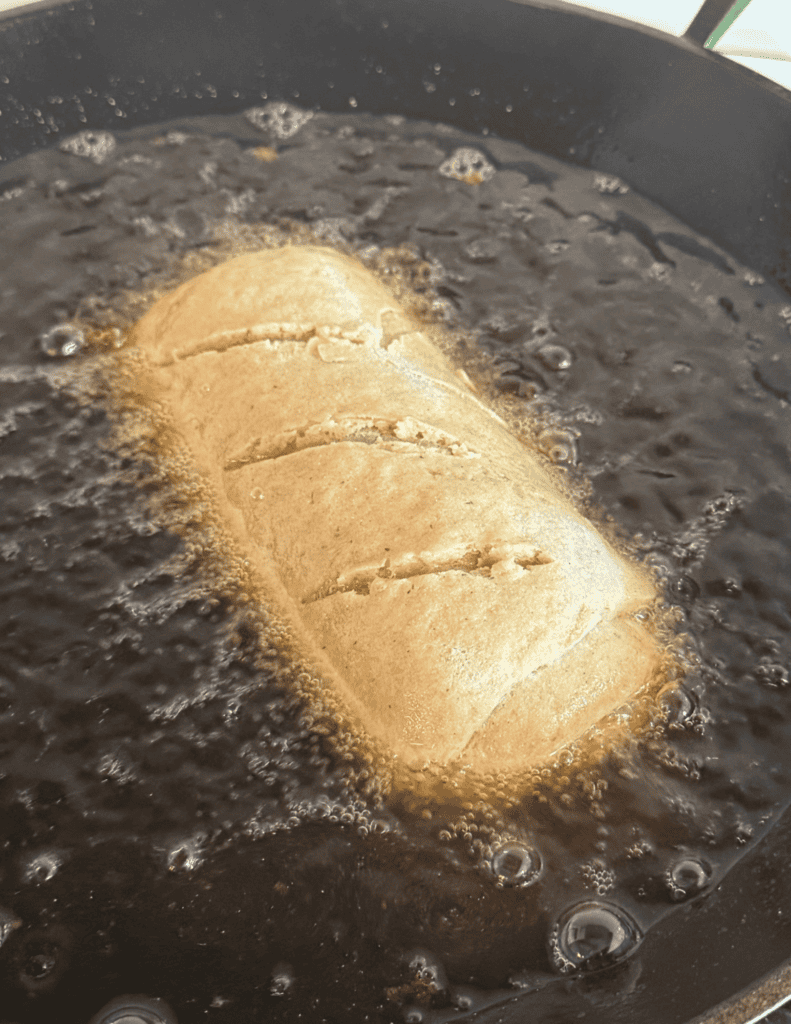
1. Bring oil to 350F and fry the roll after it has been baked. This may seem counter intuitive since we already baked it, but the flavor that’s exposed through this dough when it is fried is amazing! You can choose to skip this step, but I wouldn’t.
2. Once the roll has gotten a nice browning on one side, flip it over.
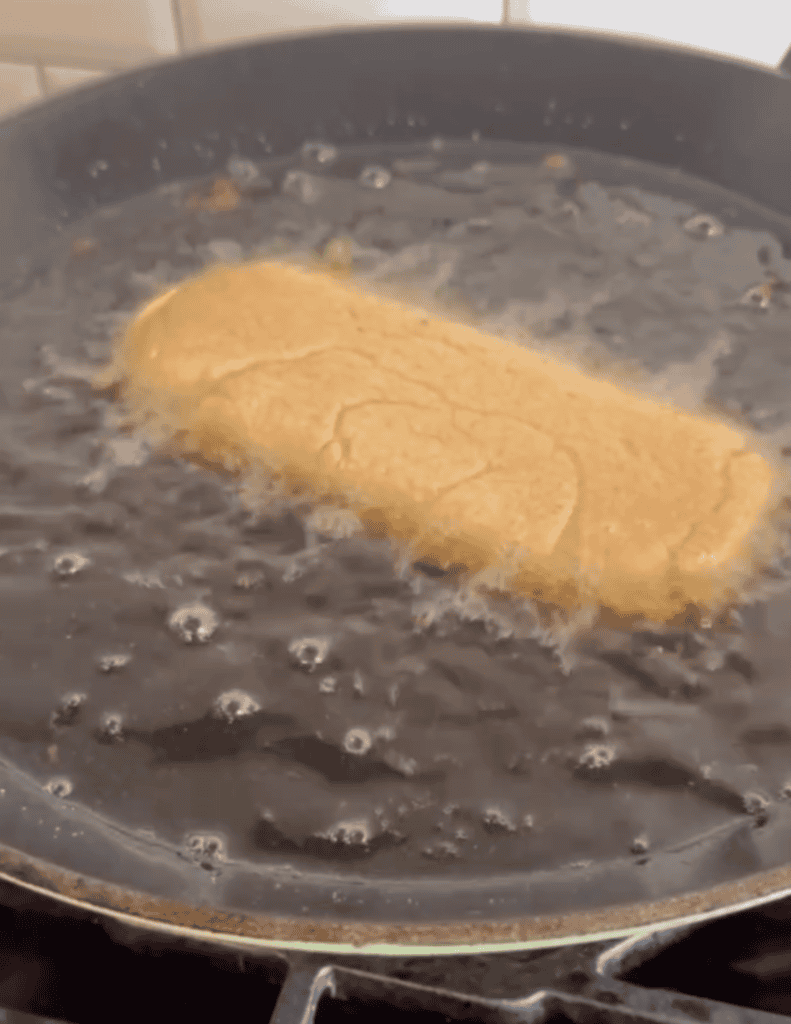
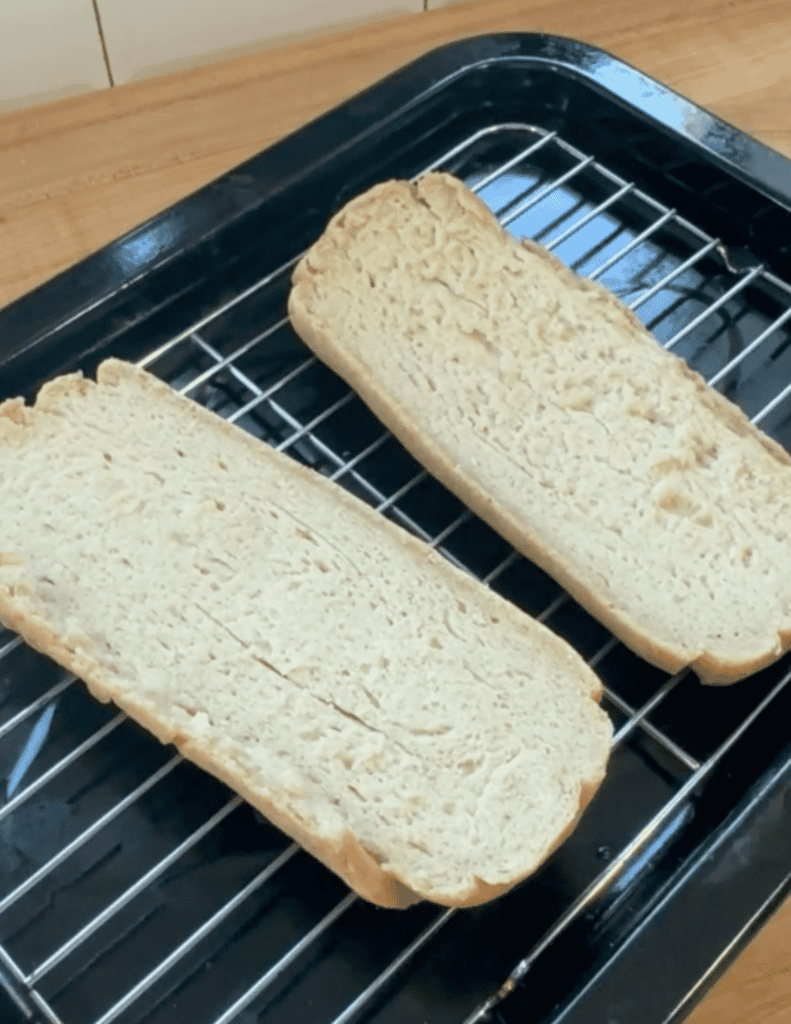
3. Brown the other side and then place it on a cooling rack so it crisps up.
4. Once it cools a little, cut the dough in half and place it on a toasting tray. I like to toss the inside of the loaf before filling it but you could skip that step.
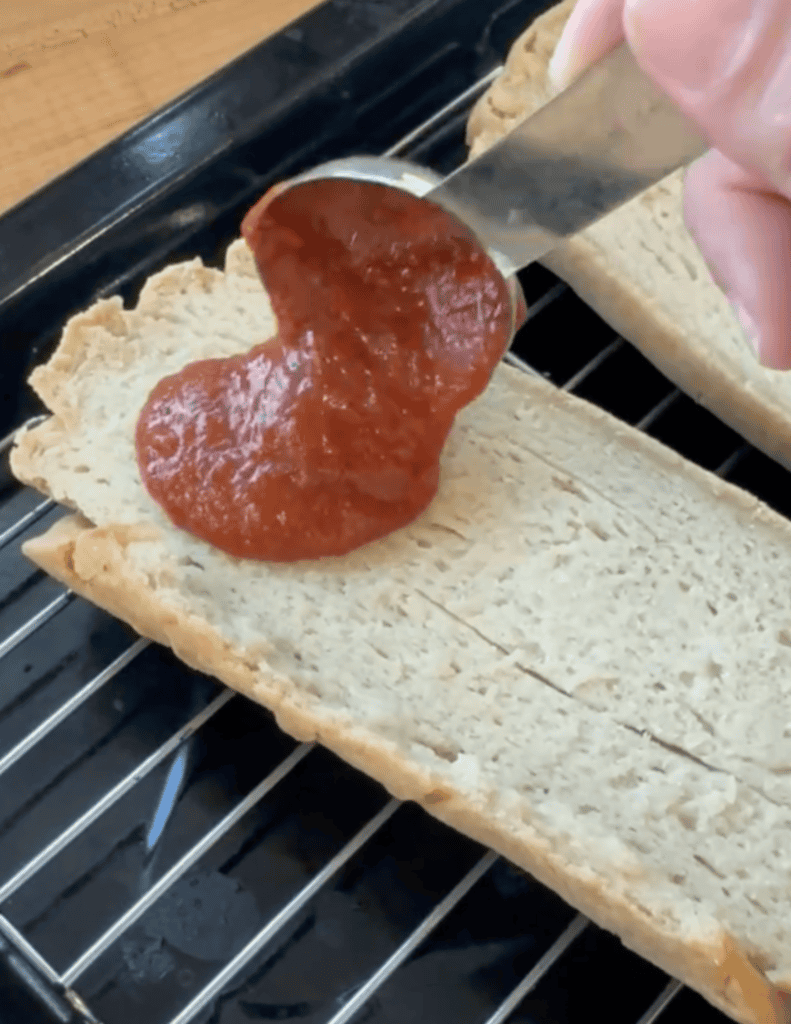
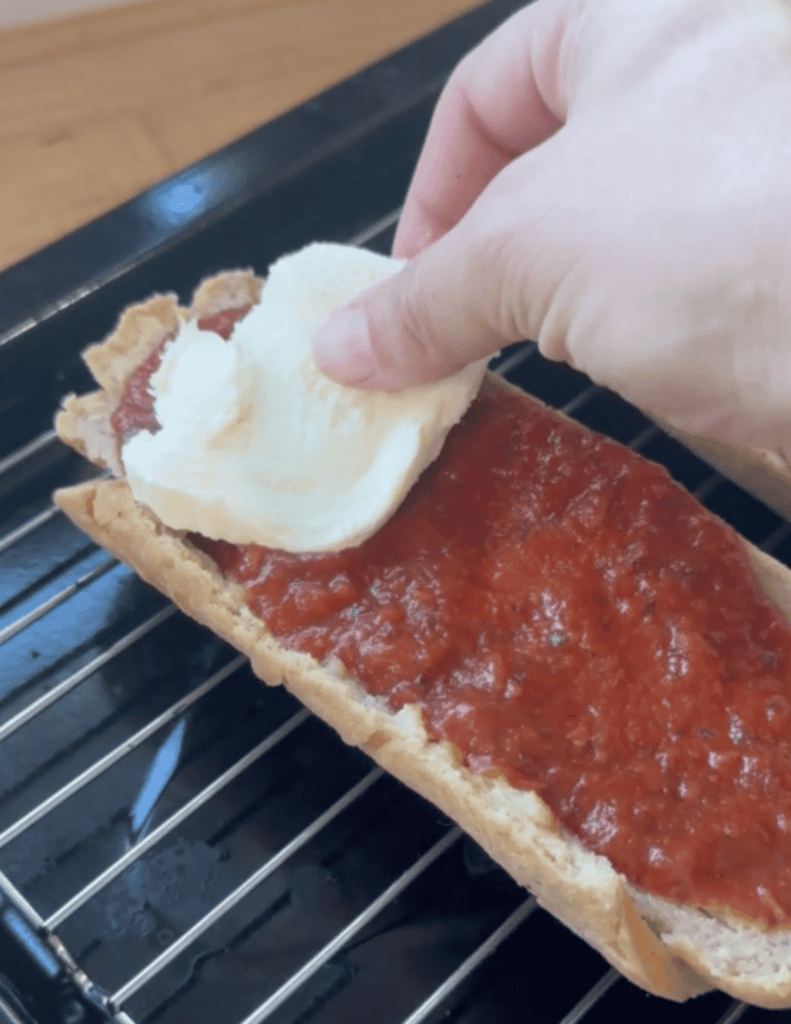
5. Spread sauce thick and even across all of the bread.
6. Place chunks of cheese on top of the sauce.
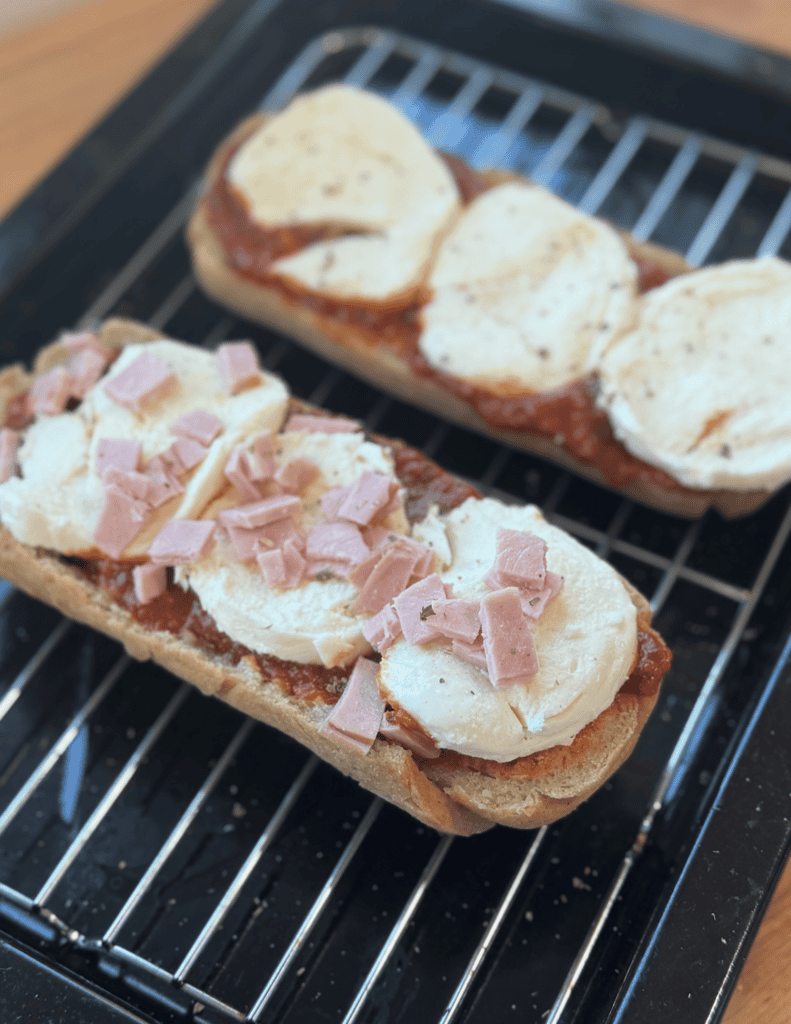
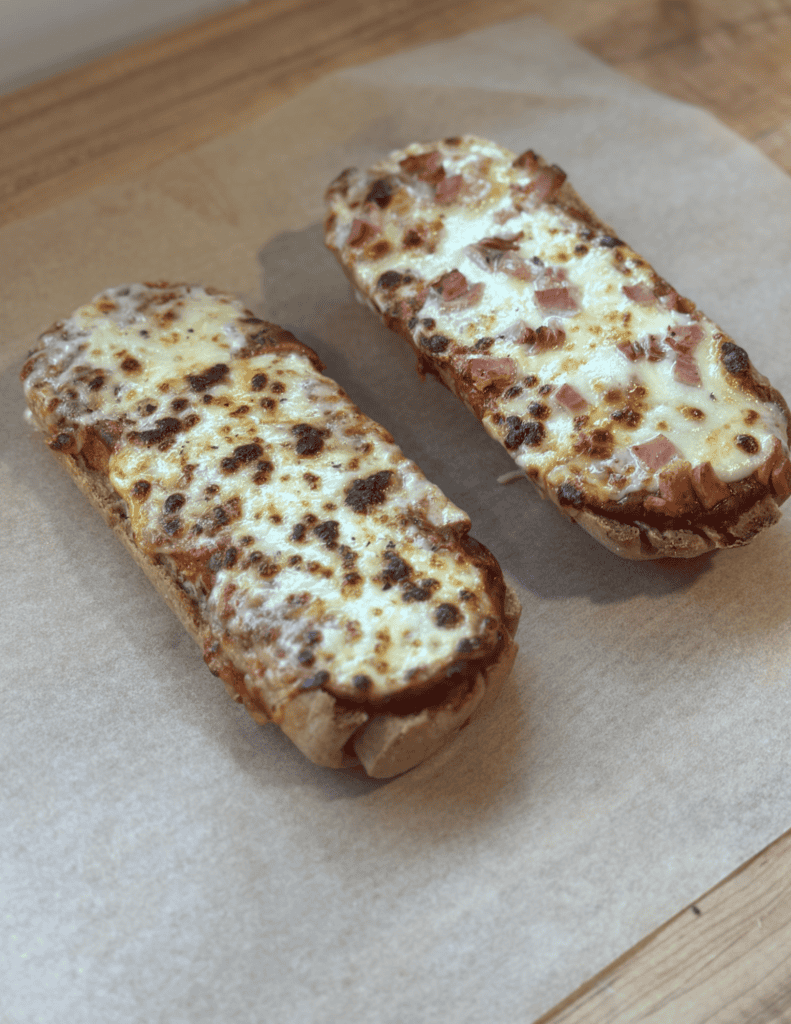
7. Top with whatever other toppings you’d like.
8. Bake in the oven long enough for the cheese to melt. If it’s melted but not browned, switch to broil mode and stay close because broil goes from brown to burn quickly.
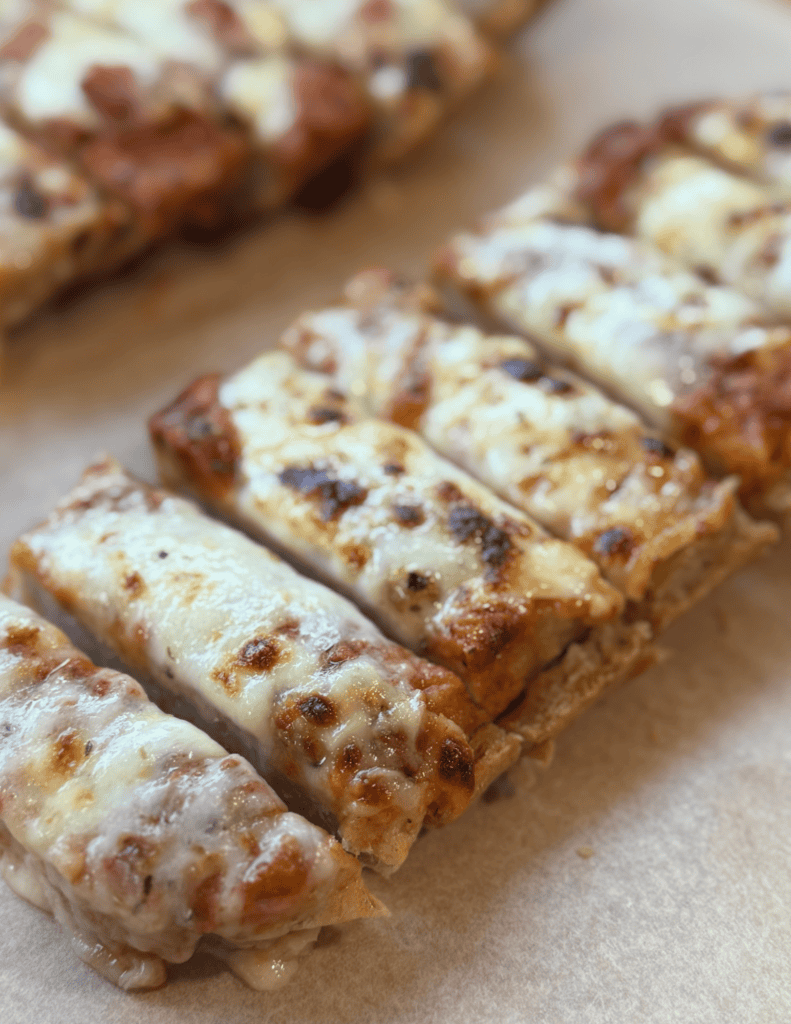
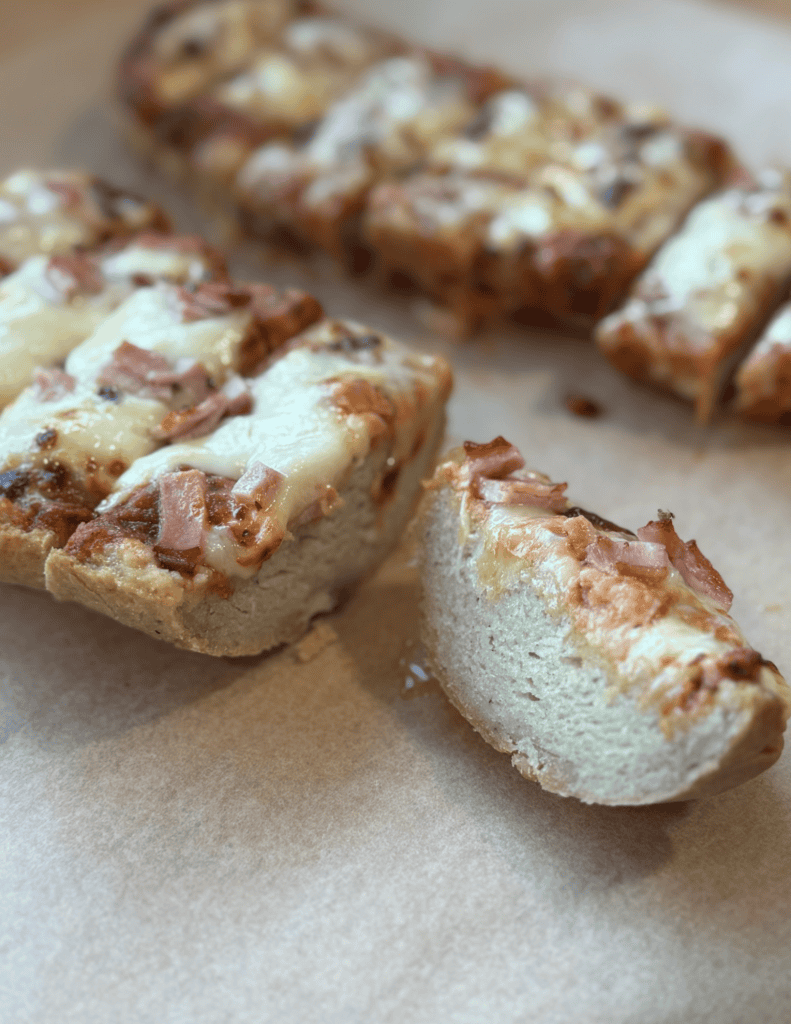
9. Cut into slices and enjoy.
10. I opted for a larger roll, you can see the amount of crust on it here. If you prefer less crust, make thinner/smaller rolls! I love them thick like this with a side of marinara sauce to dip in!
Shop The Tools

Grain Mill 
u003ca href=u0022https://a.co/d/0ece2E1Mu0022u003eKitchenaid Mixeru003c/au003e 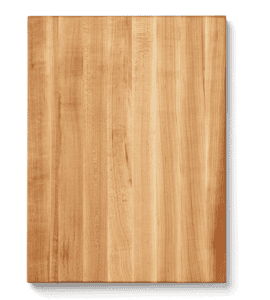
u003ca href=u0022https://a.co/d/0e9vVx6au0022u003eBoos Boardu003c/au003e 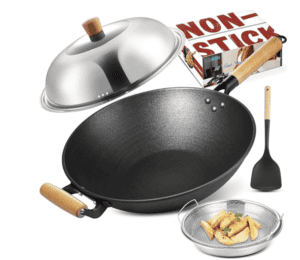
u003ca href=u0022https://a.co/d/00MNlKzlu0022u003eCast Iron Woku003c/au003e 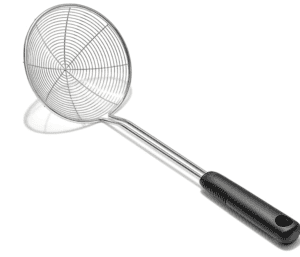
u003ca href=u0022https://a.co/d/0dTUVYnSu0022u003eSpider Straineru003c/au003e 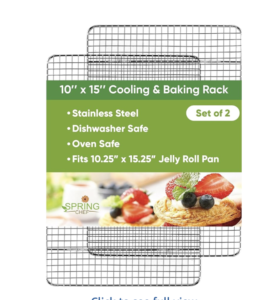
u003ca href=u0022https://a.co/d/0gs8fIRWu0022u003eCooling Racksu003c/au003e
Gluten Free French Bread Pizzas
Ingredients
Prep Wet Ingredients for Dough
- 2 TBSP Psyllium Husk
- ⅓ cup Warm Water
- 1 tsp Yeast
- ½ cup Warm Water
- ½ TBSP Honey
Remaining Dough Ingredients
- 1 ¼ cups Millet Flour
- 1 ¼ cups Gluten Free Flour One-to-One
- 1 tsp Salt
- ½ cup Warm Water
- 1 TBSP Avocado Oil
Toppings
- 7 oz Pizza Sauce
- 8 oz Mozzarella Cheese
Instructions
- Mix yeast, warm water, and honey. Let it froth and set aside.
- Add dry ingredients together in a mixing bowl (I use my stand mixer bowl) and top with wet ingredients, then mix.
- Mix psyllium husk and warm water. Let it rest for 30-35 seconds and incorporate well into the mixture.
- Let the machine work the dough for 3-5 minutes. If the dough needs a little more water to come together, add it in a TBSP at a time but do not over-wet the dough.
- Roll half of the dough out flat and follow the instructions on the next page for rolling it into a sub-style bread and place in a sandwich bread pan. Cut 3 slits into the top of the loaf. Repeat for the other half of the dough.
- Place in a proofing oven (100°F). Turn the heat off and let it rise for 1 hour. (If you don’t have a proofing oven, place in a warm place with a towel wrapped around it.
- Bake the dough at 350°F for 25 minutes
- While baking, preheat oil to 350°F. Once the bread is baked, carefully put them into the oil to become golden brown on both sides. **The frying I optional but does make for a really yummy crust.
- Allow the bread to cool. You can slice and store both of them for later use, or use right away.
- Toast the halves of the bread until lightly browned. While that’s toasting, prepare the cheese and topping ingredients.
- Once toasted, layer pizza sauce, cheese and whatever additional toppings you’d like on top of the rolls.
- Place the pizzas back into the oven and bake the toppings on at 400°F for 8 minutes. Broil the cheese for 1-2 minutes to get it golden brown.
Recipe Tips
Proofing is important. Use a countertop oven with a proofing setting to ensure your dough proofs perfectly each time. If you don’t have a proofing oven, turn your kitchen oven on to the lowest setting (usually 175°F) and once it reaches that temperature, turn the oven off. Place your covered bowl with dough into the oven and allow it to proof there.
If your dough isn’t proofing well and you’ve utilized the tip above, make sure your yeast is still active and strong. Weak yeast = weak dough.
Seal the dough tightly around the cheese to prevent leaks while frying
Don’t overfill—too much cheese can break through the dough
Keep oil around 350°F for even frying
Fry in small batches to maintain oil temperature
Let rest briefly after broiling so cheese sets slightly before biting
If dough feels sticky, lightly oil your hands instead of adding flour
Prep/Storage Options:
- Make and freeze: This dough can be made and frozen for later use if stored in an airtight container. I like to use the soupercube containers to form the dough into 1 or 2 cup portions and then once they are frozen move them to a freezer safe plastic bag. You can also pre-make the rolls and cut them in half before freezing and storing for an easy pull out of the freezer option.
- Refrigerated & Cold Fermented: This dough can also be mixed, made and stored in the refrigerator for 48 hours to develop more flavor and have a chewier consistency when baked.
- Refrigerator: Store pizza bites in the refrigerator in an airtight container for up to 1 week.
- Freezer: Store pizza bites in the freezer in an airtight container for up to 3 months.
Recipe FAQs
Get on the List
Subscribe to Receive the Gluten Free Pantry Must Haves Ebook
Did you make this recipe?
We’d love to see! Tag @farmfreshfamily on Instagram!

Great easy recipe to follow
can’t wait to try this!