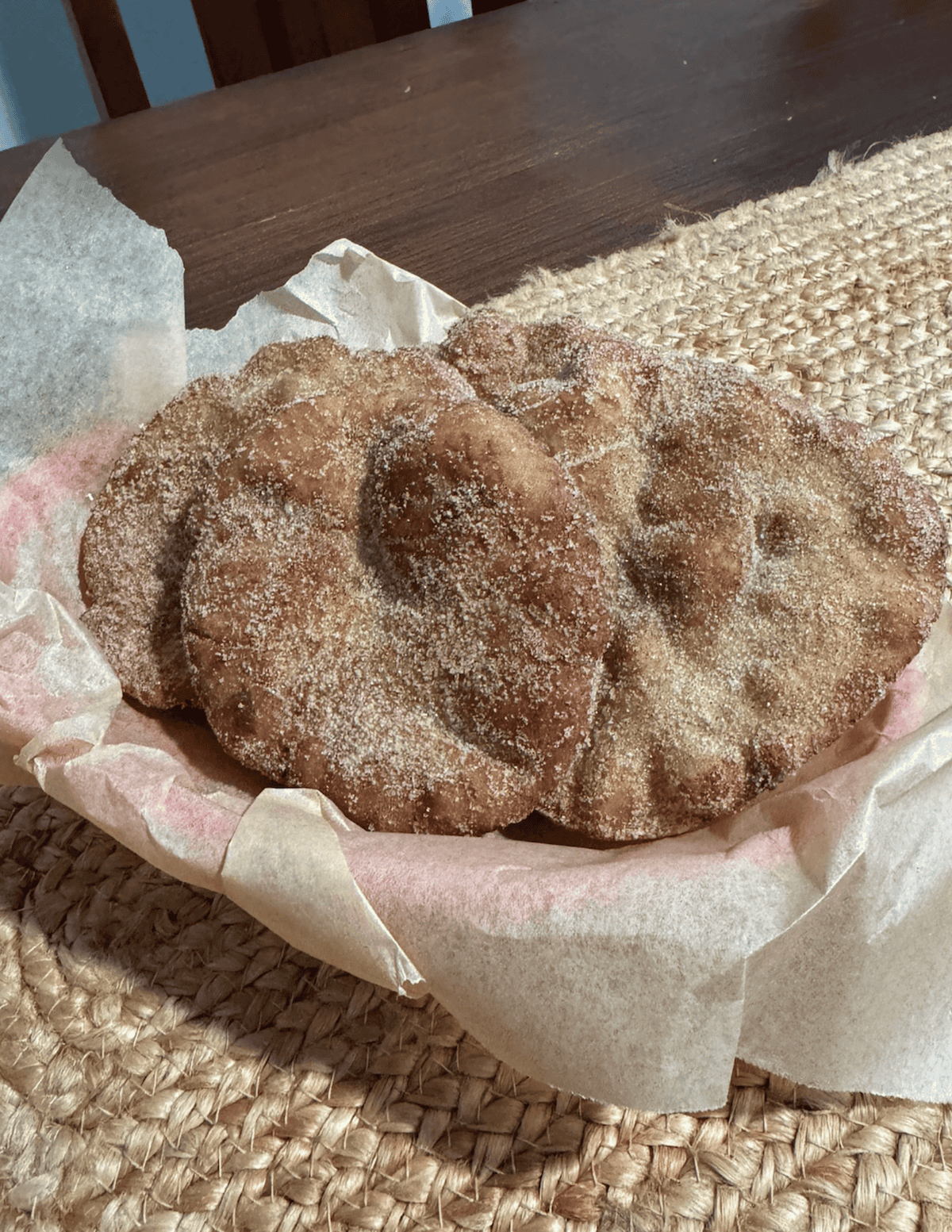
These fresh milled gluten-free elephant ears are golden, crispy on the outside, and soft in the center with that classic cinnamon sugar coating you remember from fairs and festivals. Made with fresh milled gluten-free flour, they bring real flavor and better texture to a nostalgic treat that’s often hard to recreate without gluten.
If you’ve ever tried gluten-free fried dough that turned out dense or greasy, this version fixes that with a dough that fries up light, airy, and perfectly crisp while still holding that soft, chewy bite inside. It’s everything you want in a fair-style elephant ear—just made with ingredients you actually trust.
This post may contain affiliate links, please read our disclosure policy for details.
Why You’ll Love These Fresh Milled Funnel Cakes
- Crispy, golden exterior with light interior
- Fresh milled flour adds flavor and texture
- Gluten free but not dense or gummy
- Classic elephant ear look and taste
- No seed oils or artificial ingredient
- Perfect for fun treats or special occasions
Ingredients
1. Millet Flour
If using fresh milled gains, I get these from Azure Standard (US based option), Amazon, or Bread Becker. If using already milled grains (similar to just picking up flour at the store) I use Bob’s Red Mill or Anthonys. Millet is one of the oldest cultivated grains and is naturally alkaline, making it easy to digest. It’s excellent for tender cakes, flatbreads, and sandwich breads. Its mild flavor complements sweet and savory dishes.
2. Arrowroot Powder
Arrowroot powder is a light, grain-free starch that works as a natural thickener for sauces, gravies, puddings, and baked goods. It creates a silky, glossy finish without the heaviness of cornstarch and is easier on sensitive stomachs, making it a great clean-ingredient swap for gluten-free and allergen-friendly cooking.
3. Brown Rice Flour
Brown rice flour is a wholesome, whole-grain gluten-free flour made from finely milled brown rice, giving baked goods a soft structure and a slightly nutty, hearty flavor. It adds natural fiber and stability to recipes, making it a reliable base flour for breads, muffins, and everyday baking. You can choose to fresh mill your brown rice or buy it already milled.
4. Sorghum Flour
Sorghum flour is one of my favorite fresh milled gluten-free whole-grain flours for baking soft, chewy gluten-free pretzels because it adds structure without heaviness. It has a mild, slightly sweet flavor that mimics traditional wheat flour more closely than many gluten-free options, helping create that bread texture and golden crust. Paired with proper hydration and binders, sorghum flour gives breads their tender bite and keeps them from tasting gritty or crumbly. If you’re needing to sub it out for another flour use millet, brown rice flour, oat flour (make sure its GF oats).
5. Gluten-Free One-to-One Flour
A high-quality gluten-free one to-one flour blend provides structure while keeping the cookies crisp, not crumbly. I prefer Bob’s Red Mill Gluten-Free 1-to-1 Baking Flour for this recipe because it produces consistent results and bakes evenly. Be sure to use a one-to-one blend that already contains xanthan gum.
6. Maple Syrup
Maple syrup provides natural sweetness while adding moisture and depth to the dough. It also helps create a smooth, cohesive texture without refined syrups.
7. Avocado Oil
Avocado oil is my go-to fat for frying, because it keeps the dough tender without adding any strong flavor thanks to its neutral taste, It also adds healthy fats to help prevent dryness and cracking — something gluten-free doughs are especially prone to. Avocado oil also has a high smoke point, which means your crust brown beautifully in the oven without burning.
8. Salt
A small amount of salt balances the sweetness and enhances the flavor. Don’t skip it—it makes a noticeable difference.
9. Bloomed Yeast
By combining the yeast, warm milk (or water if dairy-free) and honey together and allowing it time to proof in a warm, draft free area, a frothy “bloomed” yeast emerges which reassures you that your yeast is active and will help your dough rise beautifully. I recommend using a countertop proofing oven to ensure a warm and compatible environment for proofing not only the yeast but the dough as well. My favorite is this multipurpose oven.
Here’s a tutorial on how to bloom the yeast:
10. Raw Milk
Raw Milk is milk without pasteurization. The milk goes from the cleaned cow into a bucket and then strained before consumption. In recipes, it works exactly the same as pasteurized milk, the main difference being the bioavailable nutritional components that are present with raw milk. If you do not choose to or have access to drinking/using raw milk, it can easily be substituted any milk of choice (dairy or dairy free alternatives).
11. Butter
Butter adds richness and helps create a crisp yet tender texture in the cookie. Using a high-fat butter like Kerrygoldworks especially well here. If you need a dairy-free option, you can substitute a dairy-free butter alternative without issue.
12. Cinnamon & Sugar
This combo makes the delicious coating that goes on the outside of the elephant ears. Other sugars can be subbed in its place (like maple sugar or date sugar depending on preference).
Additional Allergens/Suggested Modifications
- Dairy: sub butter and milk for a dairy free alternative
- Egg: Use an egg replacer (I suggest Bob Red Mills)
This recipe is naturally free of: nuts, fish, crustacean shellfish, tree nuts, peanuts, wheat, soybeans, seed oils, and sesame.
“I’ve missed these so much, and now I don’t even have to go to a fair to have them!”
How to Finally Make Fresh Milled Elephant Ears
Please see recipe card at the bottom of this post for the full recipe details.
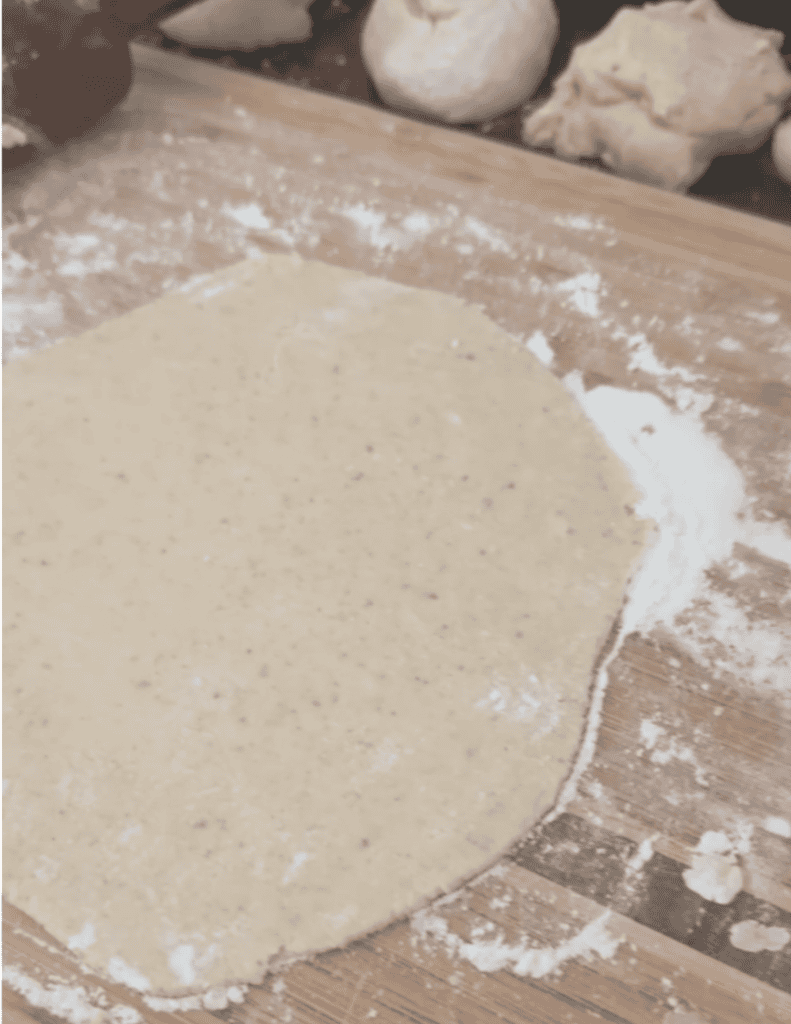
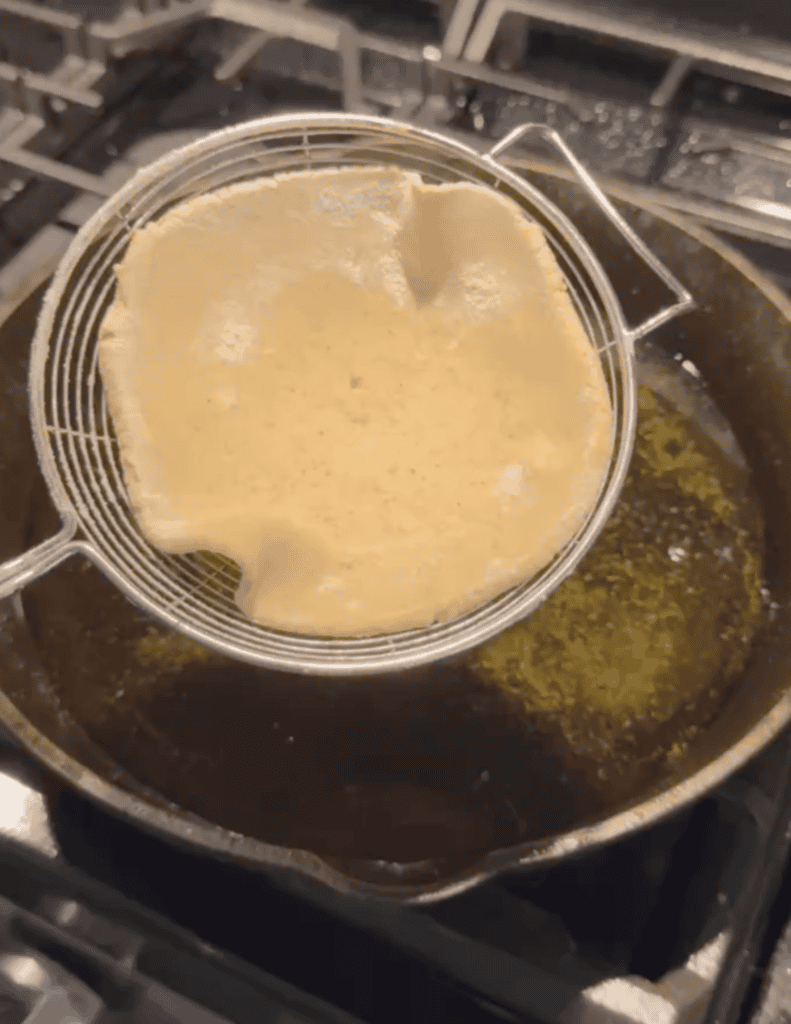
1. Mix up the dough, roll it thin and preheat the oil to 350°F.
2. Cut out circles of dough with a large circle cookie cutter.
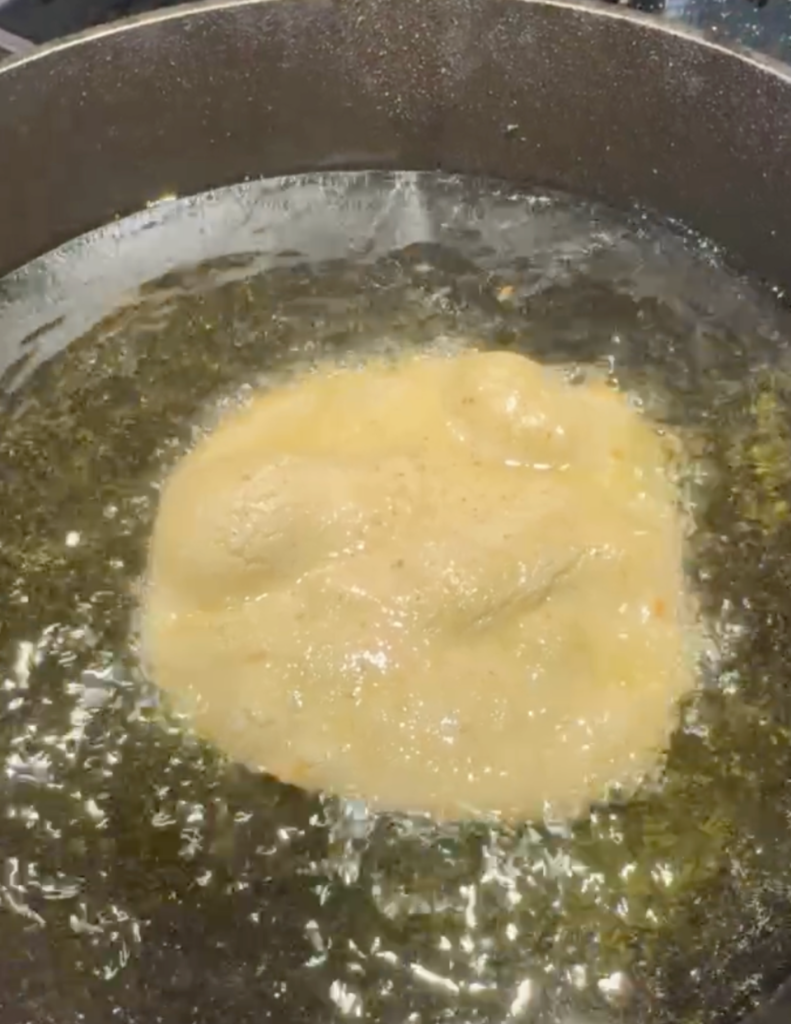

3. Fry until golden brown on one side.
4. Use tongs to flip and cook the other side until browned.

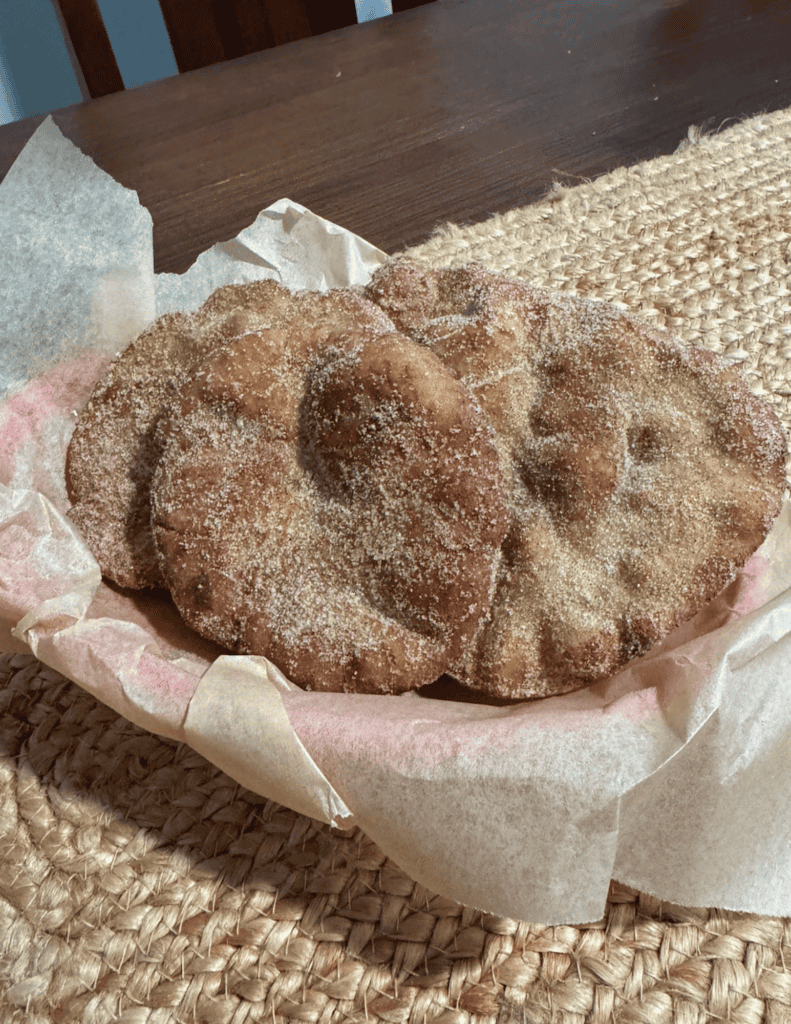
5. Strain once finished cooking and dip in cinnamon sugar mixture.
6. Enjoy!
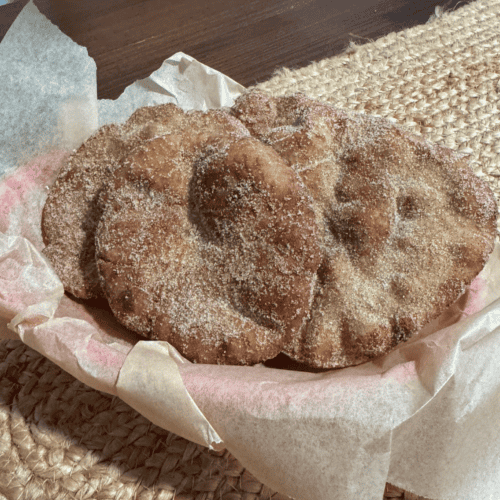
Gluten Free Elephant Ears
Ingredients
Batter
- 1 cup Millet Flour
- 1 cup Brown Rice Flour
- 1 ½ cups Tapioca Flour
- 1 cup Sorghum Flour
- ¼ cup Gluten Free Flour
- 1 tsp Salt
- Quart Avocado Oil
- 2 TBSP Yeast
- 1 ½ cups Raw Milk
- 2 TBSP Maple Syrup
- ¼ cup Butter
Topping
- 2 cups Cane Sugar
- ¼ cup Cinnamon
Instructions
- In a saucepan, heat up the milk, butter and maple syrup until it reaches just under 100°F. Remove from the heat and whisk in the yeast. Let it proof.
- Mix the dry ingredients together in a stand mixer and pour in the yeast mixture. Mix until well combined.
- Preheat the avocado oil. It will need to reach 350°F before frying and prep the topping by mixing cinnamon and sugar together in a bowl – set aside.
- Shape the dough into 2oz ball portions and roll them out on a well floured surface – the dough will be sticky.
- Fry on both sides until golden brown, then place on a paper towel lined plate to let cool for a few seconds. When it’s cool enough to touch, coat in the cinnamon/sugar mixture.
Proofing Hacks/Tips
Batter should be pourable but not watery
Keep oil at 350°F for proper frying
Don’t overcrowd the pan—this keeps them crispy
Flip once when golden on one side
Toss in cinnamon sugar while still warm
Drain on paper towels to remove excess oil
Prep/Storage Options:
- Pre–prep: The dough can be mixed and stored in the refrigerator in an airtight container for up to a week. It can also be frozen for up to a month, just thaw before using.
- Storage: Elephant Ears are best eaten fresh but can be stored on the countertop in an airtight container for 1-2 days.
Recipe FAQs
Get on the List
Subscribe to Receive the Gluten Free Pantry Must Haves Ebook

Did you make this recipe?
We’d love to see! Tag @farmfreshfamily on Instagram!