

Being gluten-free and traveling to Europe can be stressful if you don’t know how to properly prepare for your adventures. If you’ve never experienced being hungry with no safe food available to eat, consider yourself fortunate. I’ve traveled in places that don’t understand gluten, let alone other food allergies, and after a long day of travel – being tired, hungry and anxious not knowing where your food is coming from really doesn’t set the vibe for an epic trip.
That’s why one of the biggest lessons food allergy families learn early on is this: Preparation is not optional.

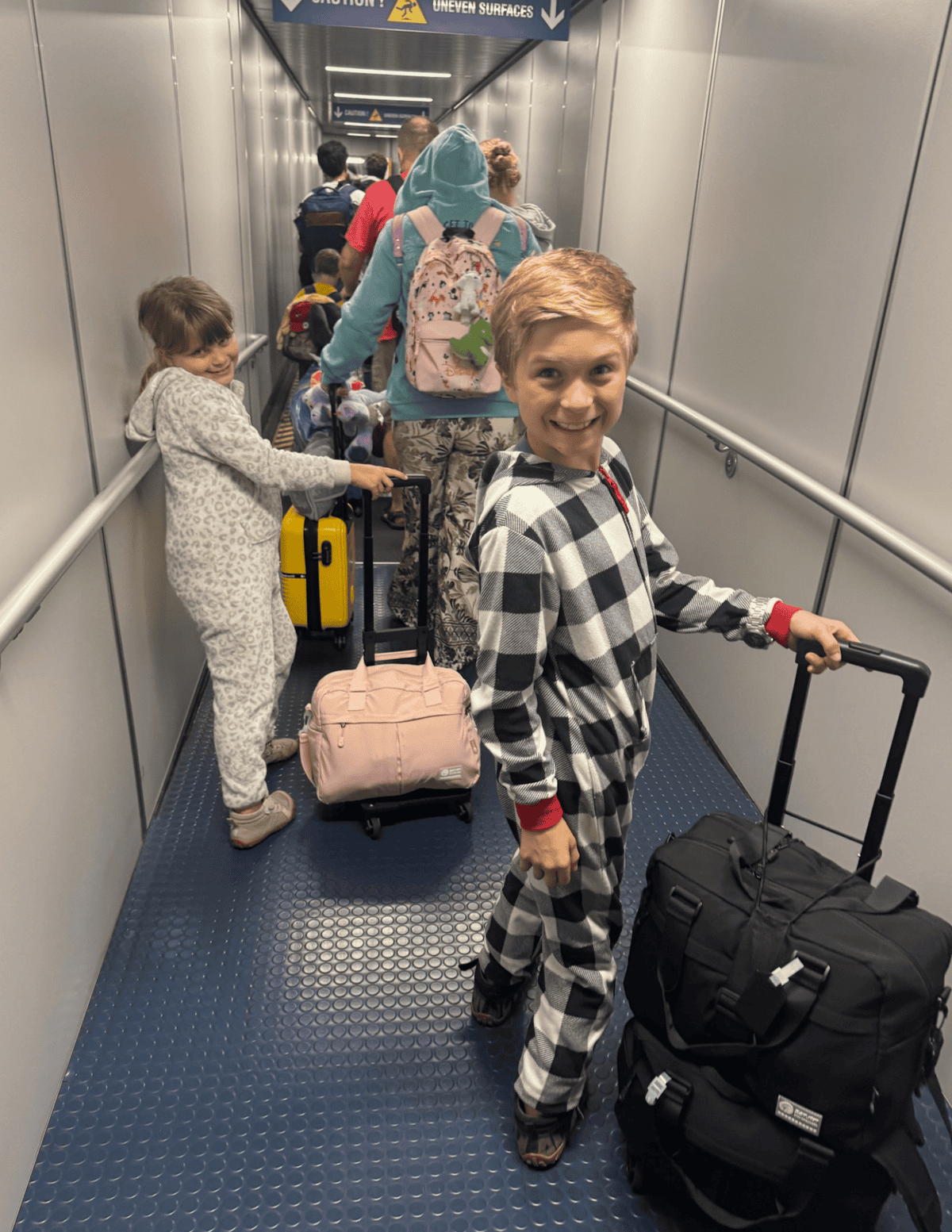
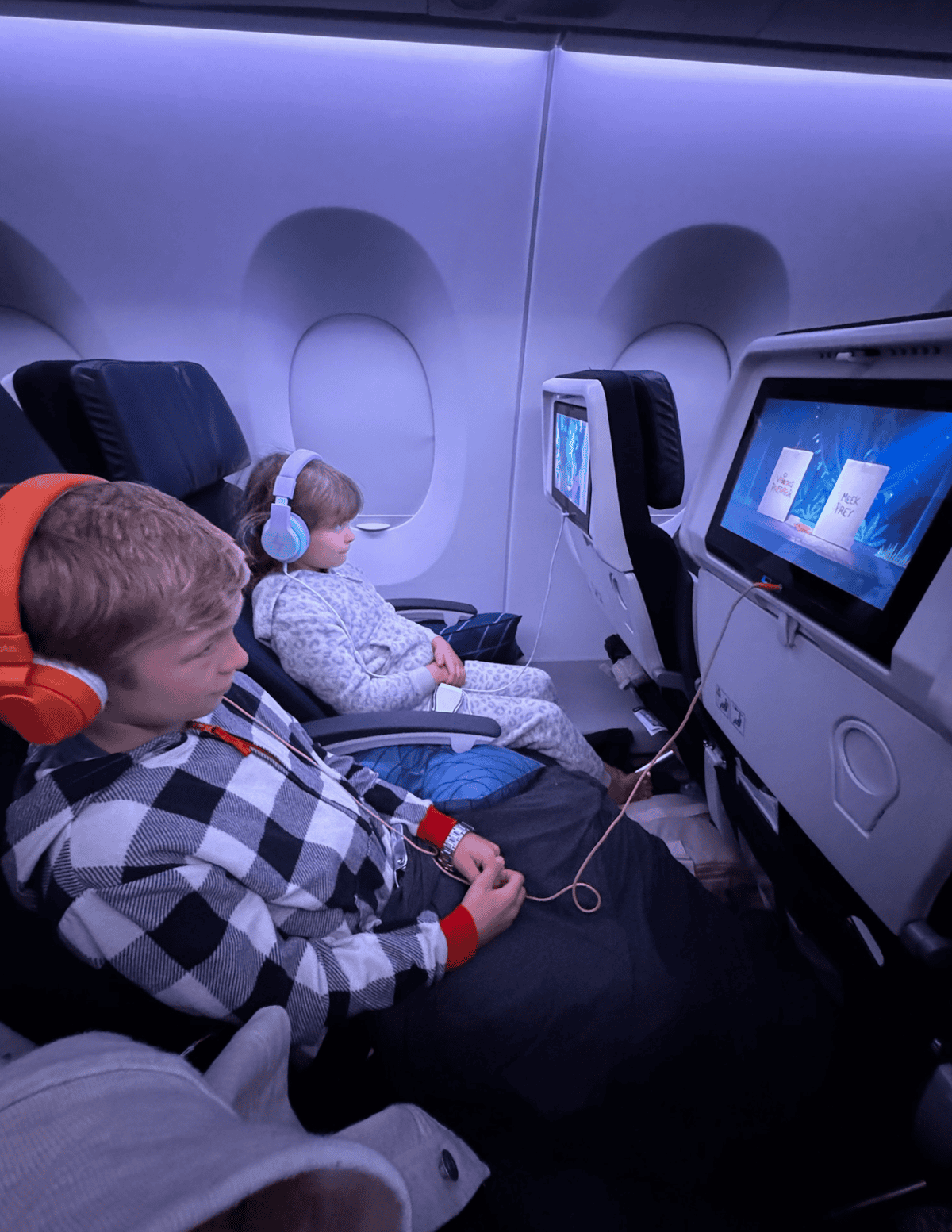
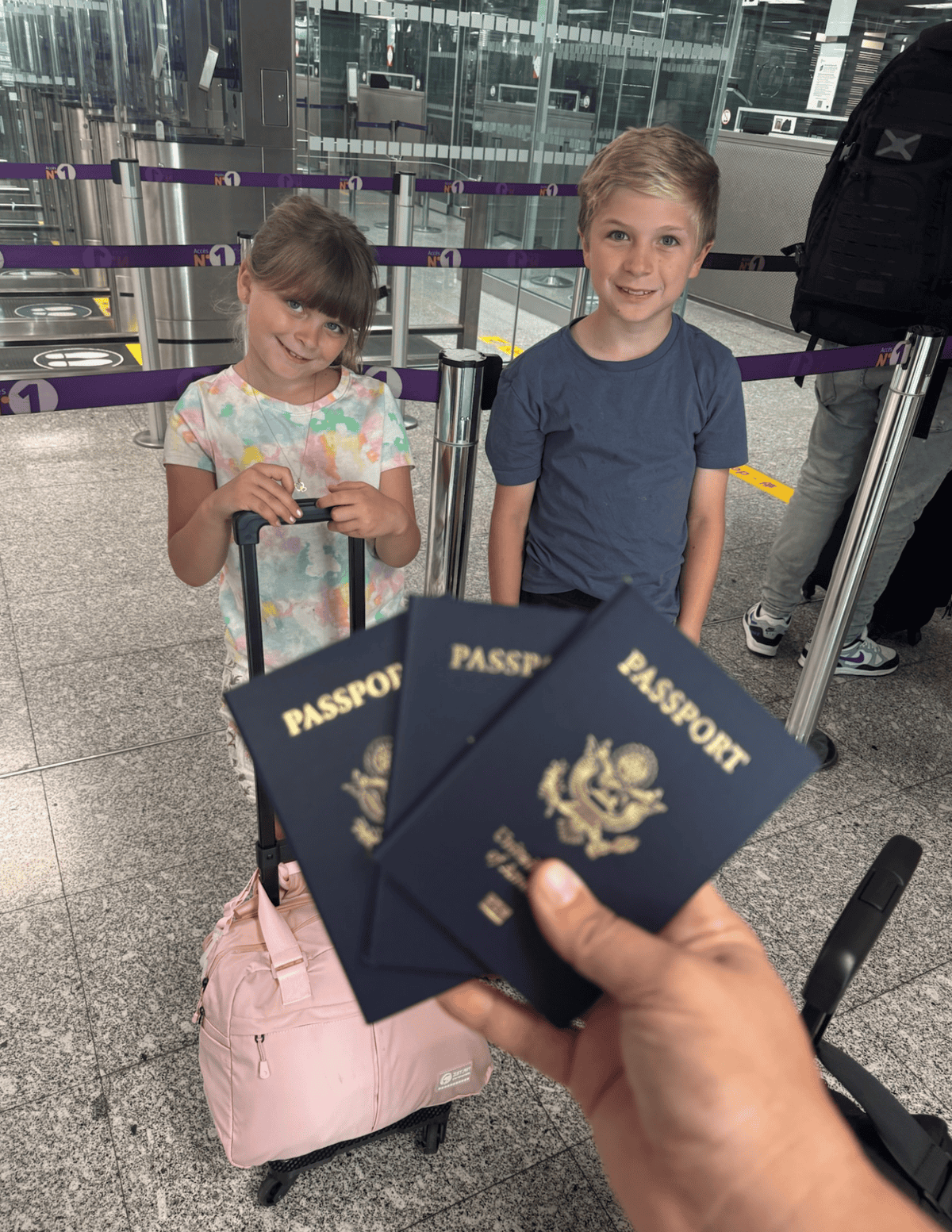
The gift of just winging it ended with your last bite of gluten. It’s sad – we can feel that – but we can’t stay there. We have options (really good ones if you know how to plan accordingly) and I’m here to help with that!
I personally trust reviews from allergy families more than travel guides because if someone with food allergies had a safe experience somewhere, there’s a good chance I can too.
In this blog I’ll be sharing my best practices for a successful trip, my best finds based on different stops in Europe and anything else I can squeeze in to make planning your European adventure (or any trip) much more enjoyable!
Just because food allergies require more planning doesn’t mean they shouldn’t stop you from seeing the world. And I’m living proof of that. I am anaphylactic to gluten and wheat, so all of my recommendations are naturally gluten and wheat free! This matters now more than ever with products like Caputo entering the gluten-free market that use wheat starch and rely on removing the gluten from wheat.
How to Prepare Before You Travel with Food Allergies
Traveling with food allergies always carries some level of risk.
Different languages, unfamiliar ingredients, new cooking practices, and limited safe options can make even simple meals feel overwhelming. It’s crucial to think a few steps ahead when planning.
Scope Out Where You’re Staying Intentionally
- When picking a place to stay decide if you’re going to want to factor in cooking while you’re traveling. I encourage this option for trips that are longer than 3 days unless you’ve found a lot of amazing gluten-free dining options in the area you’re going.
- Message the host for where you are looking to stay and ask about the cooking items they provide. If you’re looking for some examples of what I’d ask or consider, here they are:
- Stainless steel is a great cooking option.
- avoid Teflon and scratched ceramic-coated cookware, etc.
- Stainless steel utensils and cooking utensils are great!
- avoid wood and plastic at all costs – they are porous and hold hidden gluten
- pack your own utensils in your bag if you can
- Are there any safe food storage containers and a refrigerator/freezer?
- If they have food storage containers, what material are they made out of?
- glass is best, avoid plastic or wood storage containers
- Food storage containers mean that if you made a dish in bulk for your family, you’d be able to store any leftovers. Or, if you found a restaurant you liked and was safe, you’d be able to bring to-go food home and save it as a back up meal for later in the trip.
- Refrigerators/freezers also mean that you can buy local groceries to keep safe foods on hand. We love stocking our fridge with eggs, yogurt, milk (especially if it’s raw), fruits, veggies, meats, sandwich bread, ice cream and more! Often times, we prefer to eat a homemade buffet style breakfast to fuel us for the day and will eat out for either lunch or dinner (sometimes both if we find an amazing location with lots of options!)
- If they have food storage containers, what material are they made out of?
- Stainless steel is a great cooking option.
- Location is another huge factor. Choose an area that has gluten-free restaurants or a natural grocery store nearby. The convenience of not having to think twice about food or how you’re going to get to it is a beautiful thing! Depending on where you’re at, a safe place to eat may be a 20 minute walk or tram ride away. Preparing ahead of time bridges that gap!
- As much as I love a culturally immersive experience, touristy areas are more likely to have safe gluten-free options in certain areas along with people who can speak English and bridge the gap for all of your cross contamination questions, so keep that in mind when booking.
Download Helpful Apps while you have WIFI
- Google Translate: This app allows you to hover your camera over words in another language and translate them in real time. It comes in handy for translating ingredients on packages, menus at restaurants, and signs!
- ChatGPT: You can plug in prompts to translate in real time when talking to someone in another language or copy and paste ticket portals, messages, blurbs on websites that aren’t naturally translating, etc. into it to understand other languages.
- Suggested Prompt: “I have a severe gluten allergy (or celiac disease). I cannot eat gluten (add extra allergies in here) at all. This includes cross contamination. Do you have safe items on the menu for me to eat?”
- The prompt I’ve been using: “I am allergic to gluten and cannot eat it. I am also allergic to wheat and oats (I always include oats because you likely wont be able to confirm how they were sourced with language barrier) I cannot have flour that has wheat starch or wheat flour where gluten has been removed. What specific flours do you use? Do you have safe items on the menu for me to eat?”
- The Gluten-Free Kitchen App
- This is my personal gluten-free from scratch cooking app that is adaptable and can travel with you over the ocean. I’ve used it many times in other countries with the ingredients I’m able to gather up! It’s packed with 400+ recipes for meals, breads, sides, desserts, snacks, drinks, you name it. The feature I’ve found most helpful overseas is the meal planning feature. I’m able to add what we are wanting to eat into a meal plan and the app automatically calculates the ingredients I’ll need down to the amount needed! It’s been so helpful for taking into the grocery stores and grabbing ingredients. It also comes with an entire video series that helps you navigate being gluten-free in a world filled with gluten.
- Gluten-Free Food Mapping Apps (full disclosure, I don’t use any of these and still navigate just fine – but I can see how they are helpful):
- Atly
- Find Me GF
- Note: Each country has their own gluten-free apps, but I was unable to download them due to my phone being in US mode. I wonder if I had used an international VPN if I could have bypassed that option. If you have, let me know in the comments.
- Bounce
- When you land, there’s a good chance it won’t be time to check into your hotel or Airbnb. If where you’re staying doesn’t have a place to store your luggage, the Bounce app is filled with a bunch of locations near wherever you’re landing to store your bags until it’s time to check in. This feature is amazing because it gives you more time to explore the city rather than waiting around for a check in with your luggage in tow. The flexibility is very freeing and we used it often!
- Your Airline’s App
- We use Air France and Ryanair mainly when traveling overseas. Air France includes both international flights to Europe as well as domestic flights and I use my American Express points to book those via a program called Flying Blue. We were able to book almost all of our flights on points which was a HUGE savings overall. Ryanair is for European domestic flights only, not international, but they are a budget airline that has some amazing deals on flights and is worth considering when making your travel arrangements.
- Downloading these apps allows you to have your tickets up and ready to scan when needed and allows you to stay up to date on any changes with your flight status in real time.
Get a SIM card or check with your phone carrier for international options
- You don’t want to land in a new country without any way of connecting with your family, friends, or most importantly – your maps app to get you to where you need to go. Your service most likely will not work in other countries, so you’ll need to prepare ahead of time with a e-SIM card or other carrier options.
- There are many different E-Sim carriers you can look into. The key to picking the right E-Sim for you is to know how long you’ll be traveling, if you’ll be changing locations, data limits on the plans, and if you want data covered or calls and texts as well.
- Personally, we have Verizon Wireless’s Unlimited Ultimate plan which allows us to call, text, and use data without the headache of buying and setting up E-Sims. I haven’t priced out the difference so take that with a grain of salt. With every new country we land in, we receive a text message that welcomes us and lets us know what we have available to us which is usually unlimited texts, 15GB of high speed data and then unlimited data at 3G speeds after that.
- Make sure your AirBNB or hotel has wifi and hop onto that whenever you’re in the area to offset any unnecessary data usage. I work from my phone/laptop and didn’t accrue any charges – and that’s a lot of usage!
Pack Safe Snacks
- It’s crucial to have food on you at all times when traveling. You never know when your gluten-free meal that you requested magically disappears or if you’ll be stuck somewhere longer than anticipated. Nobody wants to be hangry while they travel. This is a stress that can easily be managed ahead of time!
- Some things I pack are meat sticks, dehydrated fruits, nuts, etc. You can find a more in-depth list here.
- When you are flying, you are allowed to bring snacks and food onboard. I bring an entire bag of gluten-free options for us to take to our next location to ensure there are safe snacks and foods.
Map Out Gluten-Free Options for Where You’re Going!

- Grocery Stores
- It is so important to note that not all grocery stores will have gluten-free options outside of foods that are naturally gluten-free like meat, cheese, fruits and veggies.
- When scoping out grocery stores, look up “natural” grocery stores, “100% gluten-free” grocery stores, and “grocery stores with gluten-free options.” Of course the 100% gluten-free grocery stores will always be the best bet (and they’re pretty amazing when you find them!).
- Also know that when you get to your location, scoping out grocery stories is your first stop so that you can see what surprise items you can find that are safe near where you are staying. This makes the rest of the trip go smoothly and creates a built in “back up plan” for food items.
- Gluten-Free Bakeries
- Obviously I have my priorities in line… Gluten-Free Bakeries will bring you more happiness than you ever knew possible. If you find one that’s 100% gluten-free, go and support them and the Lord’s work that they are clearly doing! Map them out the same way you would a gluten-free restaurant (that’s listed next).
- Gluten-Free Restaurants
- Look up restaurants that are 100% gluten-free first and always read the reviews. I cannot stress this enough. If someone with celiac disease or an anaphylactic reaction went there and they were safe, you will likely be safe. That peace of mind is everything when navigating new areas.
- Map Out Locations
- I like to map out where the restaurants/grocery stores are in relation to things I want to do in each area. I typically locate the attractions on the map and coordinate the restaurants within those locations and write down a list of possibilities.
- Do an in-depth search based on personal experiences
- This is where other people with celiac disease or an allergy to gluten really come into play. I look up the restaurants I’ve found and do a detailed search on the restaurant with the sole purpose of hunting down other people’s experiences. You learn so much about how safe a place is by the reviews that are left for them. You can search on google, use an AI generated search tool, search in local Facebook groups, etc. Doing such an expansive search ahead of time allows me the freedom to choose which places are the safest and have a list of options going into the trip.
PRO-Tip: Get an American Express Platinum Credit Card
I’m not usually one to push credit cards on people – especially not ones with an annual fee of $895, but hear me out on this one. Full disclosure: yes, I do get travel points when you sign up for your card using this link.
The American Express Platinum Credit card is such a smart card to have in your wallet if you are going to be traveling. Not only does it usually come with an awesome sign on points bonus opportunity (mine was 250,000 points which was on the high side, but I’ve also seen them at the 125k – 150k points range), but it comes with the ability to transfer those points to partnering airlines.
This one credit card hack alone made almost all of our flights overseas covered primarily with points. If you have a flexible travel schedule, you can hit some awesome deals that the different airlines run. I know all of this can feel overwhelming at first, so I’ll break down the simple strategy I followed:
- Get Amex Platinum card and move all of my monthly bills over to it to make sure I qualified for the sign on bonus requirements.
- Sign up for Flying Blue (a partner airline’s points program) – it’s free, and so smart to sign up for.
- Look up flights on AirFrance.com (there are many opportunities to get flights heading overseas covered as well as deals on overseas flights).
- Stalk Air France for deals/specials. I booked a lot of my flights when they were offering 18k-25k flights for a family of four. It takes a bit of patience and strategy to figure this part out, but I’ll be breaking it down in the e-book guide I’m working on for ways to make traveling much easier and much more affordable.
- Once you’re ready to book, transfer your points over to Flying Blue and use them to book your flights!
If you’re reading this thinking “oh my gosh, that’s too much work”, I get it. That’s why I I’m adding all of this information plus a ton more (including an interactive resource map, our travel itineraries, and so much more) into The Gluten Free Kitchen App on the Pro Tier.
Experience has taught us allergy families that even the best-laid plans sometimes fall apart, and that’s okay. It’s not about obsessing over food, it’s about making sure there’s something in your bag that can fuel you until you land on your next safe eating opportunity and that you have already prepped back up options to take the edge off of finding a solution when you’re already hungry!